


 WhatsApp


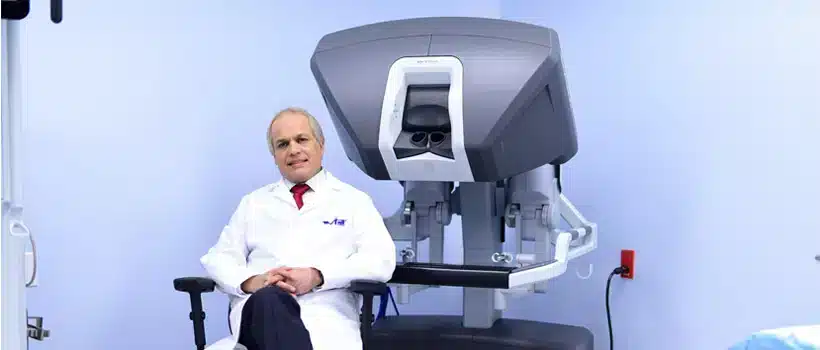
Dr. Sanjay Razdan
Most men don’t think much about rectal pressure.
It’s easy to blame it on sitting too long, constipation, hemorrhoids, or just getting older. In many cases, that’s exactly what it is. But when that pressure is persistent, unexplained, or paired with urinary changes, it can sometimes point to something deeper — including prostate problems.
At Dr. Sanjay Razdan’s Miami practice, rectal discomfort is one of those symptoms patients often mention almost as an afterthought. Not because it’s severe, but because it feels unusual and doesn’t quite go away. And while it’s not the most common sign of prostate cancer, it’s one that deserves attention when it doesn’t have an obvious explanation.
This article explains why rectal pressure can be linked to prostate cancer, when it matters, and how Dr. Razdan approaches evaluation in a way that prioritizes clarity, accuracy, and early detection.
Why the Prostate Can Cause Rectal Pressure
The prostate sits directly in front of the rectum. That close anatomical relationship is why prostate exams are done rectally — and also why prostate issues can sometimes cause a sensation of fullness, pressure, or discomfort in the rectal area.
When the prostate becomes enlarged, inflamed, or affected by a tumor, it can press backward toward the rectum. For some men, this doesn’t cause pain. Instead, it feels like:
- A constant sense of pressure
- The urge to have a bowel movement without relief
- Discomfort when sitting for long periods
- A feeling that “something just isn’t right”
Dr. Razdan often explains to patients that prostate-related symptoms don’t always follow a textbook pattern. Some men notice urinary changes first. Others notice pelvic or rectal sensations before anything else.
When Rectal Discomfort Is More Concerning
Rectal pressure alone does not mean prostate cancer. In fact, most cases are caused by benign conditions. What matters is the context.
Dr. Razdan becomes more concerned when rectal discomfort appears alongside other changes, such as:
- Difficulty starting or stopping urination
- Weak urine stream
- Increased nighttime urination
- Pelvic or lower back discomfort
- Elevated PSA levels
- Blood in urine or semen
At his Miami practice, Dr. Razdan frequently sees men who delayed evaluation because their symptoms felt vague or easy to ignore. Unfortunately, prostate cancer is often quiet in its early stages, which is why subtle signs deserve attention.

Why This Symptom Is Often Overlooked
Rectal discomfort isn’t something most men feel comfortable bringing up. Many worry it will automatically lead to invasive testing or embarrassment.
Dr. Razdan takes a very different approach.
He starts by listening. Understanding when the pressure began, how often it occurs, what makes it better or worse, and whether other symptoms are present. In many cases, that conversation alone helps determine whether the prostate is likely involved or if another explanation is more likely.
The goal isn’t to assume the worst — it’s to avoid missing something important.
How Dr. Razdan Evaluates Rectal Pressure and Prostate Health
Dr. Sanjay Razdan is known for combining clinical judgment with advanced diagnostic tools. Rather than relying on one test alone, he looks at the full picture.
Evaluation may include:
- A detailed symptom review
- PSA testing and trend analysis
- Digital rectal examination when appropriate
- Advanced imaging if indicated
- Prostate fusion biopsy when precision matters
Dr. Razdan has extensive experience with prostate fusion biopsy, a technique that improves accuracy by targeting suspicious areas seen on imaging. This approach reduces unnecessary biopsies and improves detection of clinically significant cancer.
This level of precision is especially important when symptoms are subtle but persistent.
Why Early Evaluation Makes a Difference
When prostate cancer is detected early, treatment options are broader and outcomes are better. Early-stage disease may allow for:
- Kidney- and nerve-sparing surgical approaches
- Better urinary control outcomes
- Higher likelihood of preserving sexual function
- More personalized treatment planning
Dr. Razdan’s surgical philosophy focuses on cancer control without losing sight of quality of life. That mindset starts long before surgery — it starts with accurate diagnosis and timing.
What Rectal Pressure Is Not
This is important.
Rectal discomfort does not automatically mean:
- You have cancer
- You need surgery
- You will lose sexual or urinary function
It means your body is giving you information. Dr. Razdan’s job is to interpret that information correctly and guide you through next steps without unnecessary fear or delay.
Frequently Asked Questions
Can prostate cancer cause rectal pressure without urinary symptoms?
Yes. While urinary changes are more common, some men notice pelvic or rectal sensations first due to the prostate’s location.
Is rectal pressure usually painful?
Not always. Many patients describe it as discomfort, fullness, or awareness rather than pain.
Should I see a doctor if the pressure comes and goes?
If it’s persistent, recurring, or unexplained — especially if you’re over 40 — evaluation is reasonable.
Does a normal PSA rule out prostate cancer?
No. PSA is helpful, but not perfect. Dr. Razdan considers PSA trends, symptoms, imaging, and risk factors together.
Will evaluation automatically lead to a biopsy?
No. Many patients are evaluated without needing a biopsy. When a biopsy is recommended, Dr. Razdan uses targeted methods to improve accuracy.
When to Take the Next Step
If you’re experiencing rectal pressure that doesn’t have a clear explanation — or if it’s paired with urinary or pelvic symptoms — the safest move is to have it evaluated by someone who specializes in prostate health.
Dr. Sanjay Razdan is internationally recognized for his expertise in advanced prostate cancer diagnostics and robotic surgery, with a strong emphasis on outcomes that protect long-term quality of life.
Contact Dr. Sanjay Razdan
If you have concerns about prostate symptoms, PSA levels, or unexplained pelvic or rectal discomfort, a consultation can provide clarity and peace of mind.
? Website: https://miamiroboticprostatectomy.com
? Phone: 1-305-251-8650
? Location: Miami, South Florida
The goal is not pressure — it’s understanding your options and making informed decisions with an expert who treats prostate health every day.