


 WhatsApp


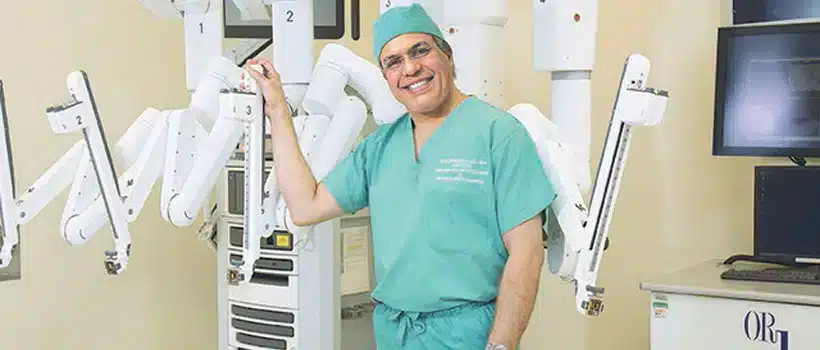
Common Male Urinary Issues Explained by Sanjay Razdan
Few things are more frustrating — or alarming — than needing to urinate and being unable to go.
Men often describe it the same way:
The urge is there. The pressure is there. But nothing happens.
Dr. Razdan sees this complaint regularly, and one thing is always clear early on: this symptom is not something to ignore. Sometimes it’s temporary. Other times, it’s a sign of a deeper urologic issue that needs attention.
Understanding why this happens is the first step toward fixing it.
What’s Actually Happening When You Can’t Urinate
Urination depends on coordination. The bladder muscle has to contract while the outlet relaxes at the same time. When something interferes with that balance, the signal is there — but the flow doesn’t follow.
Dr. Razdan explains this to patients in simple terms:
Either the bladder can’t push properly, or something is blocking the exit.
And that “something” can take several forms.
The Most Common Causes Dr. Razdan Sees
Prostate Enlargement (BPH)
This is the most frequent cause in men over 40.
As the prostate enlarges, it presses on the urethra. Over time, the bladder has to work harder to push urine through a narrower channel. Eventually, the urge becomes strong — but the flow weakens or stops altogether.
Many men assume this is just “part of aging.” Dr. Razdan strongly disagrees.
Benign does not mean harmless when symptoms are progressing.
Bladder Outlet Obstruction
Not all blockages are prostate-related.
Scar tissue, urethral narrowing, prior surgeries, or inflammation can physically restrict urine flow. These cases often require specialized evaluation and imaging, something Dr. Razdan routinely performs in complex patients.
Nerve-Related Bladder Issues
Conditions like diabetes, spinal problems, or prior pelvic surgery can disrupt the nerves that tell the bladder when and how to empty.
In these cases, the bladder may fill normally — but the message to release never fires correctly.
Patients often say, “I feel full, but I can’t start.”
That distinction matters.
Acute Urinary Retention (A Medical Emergency)
When the bladder becomes overly distended and completely unable to empty, this becomes urgent.
Dr. Razdan treats this as an emergency because prolonged retention can damage the bladder and kidneys. Sudden inability to urinate, severe discomfort, or lower abdominal pain should never be waited out.
Why This Symptom Shouldn’t Be Brushed Off
One of Dr. Razdan’s consistent messages is that urinary symptoms are rarely isolated problems.
Left untreated, chronic retention can lead to:
- Recurrent urinary tract infections
- Bladder muscle damage
- Kidney stress or failure
- Worsening sexual dysfunction
Early evaluation prevents long-term consequences.
How Dr. Razdan Evaluates Urinary Retention
This is not guesswork.
A proper evaluation may include:
- Detailed symptom history
- Prostate assessment
- Bladder scanning to measure retained urine
- Imaging or cystoscopy when needed
- Neurologic considerations
Dr. Razdan’s approach is structured, data-driven, and individualized. Treatment only follows after the cause is clearly identified.
Treatment Depends on the Cause — Not the Symptom
This is where many men go wrong: treating urgency with generic medications without knowing why it’s happening.
Depending on the diagnosis, treatment may involve:
- Prostate-targeted therapy
- Minimally invasive procedures
- Advanced surgical correction
- Bladder retraining or nerve-focused treatment
The goal is not temporary relief. It’s restoring proper function safely.
Frequently Asked Questions
Is this just a normal part of getting older?
No. Urinary changes are common with age, but difficulty emptying is not something men should accept as normal.
Can prostate issues cause sudden urinary retention?
Yes. Progressive enlargement can eventually reach a tipping point.
Is this related to prostate cancer?
Sometimes, but most cases are benign. Proper evaluation distinguishes between them.
Can waiting make it worse?
Yes. Chronic retention can permanently damage bladder function.
Will I always need surgery?
No. Many cases respond to non-surgical treatment when caught early.
Why Men Trust Dr. Sanjay Razdan
Dr. Razdan is internationally recognized for treating complex urologic conditions with precision and judgment.
Patients seek him out for:
- Advanced expertise in prostate and urinary disorders
- High-volume experience with both conservative and surgical solutions
- Emphasis on preserving urinary and sexual function
- Honest guidance without overtreatment
His focus is not just restoring flow — but restoring quality of life.
Contact Dr. Razdan
If you’re experiencing persistent urgency, weak stream, or difficulty urinating, a consultation provides clarity and direction.
Evaluation may include:
- Prostate and bladder assessment
- Identification of obstruction or nerve issues
- Clear explanation of next steps
? Website: https://miamiroboticprostatectomy.com
? Phone: 1-305-251-8650
? Location: Miami, South Florida
Early answers lead to simpler solutions.