


 WhatsApp

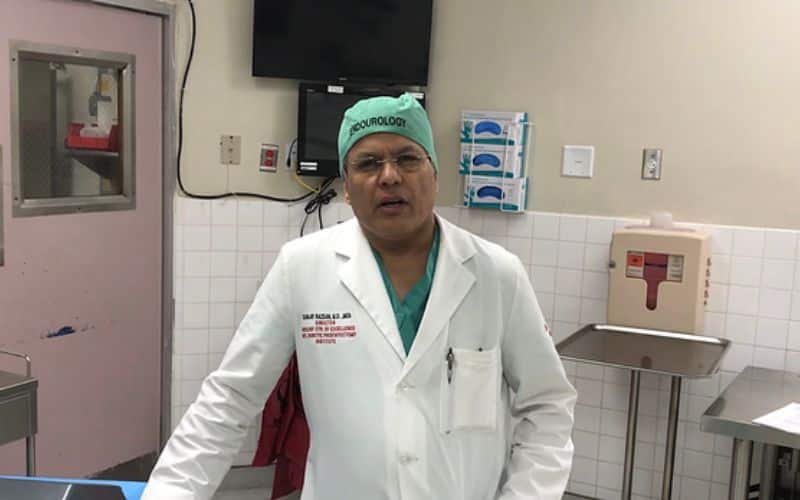
For many men, the fear of losing bladder control after prostate cancer surgery is even greater than the fear of the cancer itself. The prospect of relying on pads or dealing with involuntary leaks can be a significant psychological burden. However, “zero incontinence”—returning to a state of being completely dry and pad-free—is the primary goal of modern urologic oncology. At the International Robotic Prostatectomy Institute, Dr. Sanjay Razdan has set a global standard for functional recovery. By combining high-volume surgical expertise with pioneering techniques such as Maximal Urethral Length Preservation (MULP), Dr. Razdan helps patients achieve a rapid and complete return to urinary continence. Let’s explore how these advanced techniques work, the typical recovery timeline, and what you can expect on your journey toward a cancer-free and continent life.
What is Post-Prostatectomy Incontinence?
Urinary incontinence after a radical prostatectomy occurs because the prostate gland is located directly between the bladder and the urethra. During the removal of the prostate, the delicate muscles (the internal and external sphincters) and the nerves that control the flow of urine can be impacted.
In the immediate weeks following surgery, most men experience some degree of stress urinary incontinence (SUI), which is leakage that occurs during physical exertion, coughing, or sneezing. While this is often a temporary side effect of the healing process, achieving “zero incontinence” long-term depends heavily on the surgeon’s ability to preserve the anatomical structures responsible for keeping the bladder closed.
Can Urinary Continence Be Achieved Without Specialized Surgery?
While nearly all men will see some improvement in bladder control over the first year after surgery through natural healing and pelvic floor exercises, the “speed” and “completeness” of that recovery are dictated by the surgical technique.
- Standard Surgery: Often involves a generic approach to the urethra, which can leave a shorter “stump” for the bladder to reconnect to, increasing the risk of long-term leakage.
- The Expert Advantage: A high-volume surgeon like Dr. Sanjay Razdan uses specialized maneuvers to ensure that every millimeter of healthy tissue is preserved.
For patients who want the highest probability of being pad-free within weeks—rather than months or years—choosing a surgeon who specializes in continence-sparing techniques is the most important decision they can make.
Top Techniques for Achieving Zero Incontinence
- Maximal Urethral Length Preservation (MULP)
Pioneered by Dr. Sanjay Razdan in 2014, the MULP technique is a breakthrough in robotic prostatectomy. By utilizing a specific retroapical dissection, Dr. Razdan preserves the maximum possible length of the functional urethra. A longer urethra provides a stronger, more reliable “valve” and a more stable connection (anastomosis) between the bladder and the urethra, which significantly accelerates the return to full dryness.
- Nerve-Sparing and Sphincter-Preserving Dissection
The nerves that control the urinary sphincter are intertwined with the nerves responsible for erectile function. Dr. Razdan utilizes a meticulous, “clipless” nerve-sparing approach to peel the prostate away from these delicate structures without using heat or mechanical trauma, ensuring the sphincter remains responsive and strong.
- The “Biological Wrap” (Human Amniotic Membrane)
In addition to sparing nerves, Dr. Razdan often utilizes a human amniotic membrane wrap. This biological graft is placed around the surgical site to reduce inflammation and promote faster healing of the tissues and nerves that support urinary control.
- Pelvic Floor Physical Therapy (Kegels)
While surgery provides the structural foundation, pelvic floor exercises—often called Kegels—are the “gym” for your bladder control muscles. Dr. Razdan’s team provides a structured pre- and post-operative exercise program to help patients strengthen their pelvic floor and support the work done during surgery.
Step-by-Step Timeline of Continence Recovery
- The First Week (The Catheter Phase)
Following surgery, a small catheter is placed to allow the new connection between the bladder and urethra to heal. During this time, the body is focusing purely on internal recovery.
- Days 7–10 (Catheter Removal)
This is the “milestone” moment. Once the catheter is removed at the International Robotic Prostatectomy Institute, many of Dr. Razdan’s patients experience an immediate return of control. While some initial leakage is normal, the MULP technique often allows for “instant” or near-instant dryness.
- Weeks 2–6 (Rapid Improvement)
As the internal swelling subsides, muscle control improves daily. Most patients find that the number of pads they require drops significantly during this window.
- 3 to 6 Months (The Goal: Zero Incontinence)
Studies on Dr. Razdan’s MULP technique show that 96.6% of patients are continent at 3 months, and nearly 100% achieve full continence by 6 months. At this stage, the majority of patients are completely pad-free and have returned to all their normal physical activities, including heavy lifting and sports.
Factors That Affect Continence Outcomes
The success of your recovery is influenced by a combination of clinical and lifestyle factors. Surgeon Experience is the single most critical variable; with over 10,000 robotic procedures, Dr. Razdan has the anatomical intuition to protect the sphincter even in complex cases. Patient Health also plays a role—maintaining a healthy weight and avoiding smoking improves the quality of the tissues being repaired. Additionally, your Age and Pre-Op Muscle Tone can influence the speed of recovery, though Dr. Razdan’s techniques are designed to optimize outcomes for men of all ages.
Benefits of Achieving Early Zero Incontinence
- Psychological Relief: Eliminating the stress and embarrassment of leakage allows you to focus on your cancer recovery.
- Cost Savings: No longer needing to purchase expensive pads or specialized underwear.
- Return to Activity: Patients can return to the gym, golf course, and social gatherings with total confidence.
- Improved Quality of Life: Restoring one of the body’s most basic functions is the final step in truly “beating” prostate cancer.
When to Discuss Continence with Your Surgeon
The best time to plan for your recovery is before the surgery begins. During your consultation, ask about the specific techniques being used to protect your urethra and nerves. Discussing the MULP technique and your baseline bladder function ensures that Dr. Razdan can tailor his surgical approach to your unique anatomy.
Conclusion + CTA
Removing the cancer is only half of the victory; the other half is ensuring that you live the rest of your life with dignity and control. With the right expertise and advanced surgical refinements, “zero incontinence” is a realistic and expected outcome. By choosing a world-class leader like Dr. Sanjay Razdan, you are choosing a surgical approach that prioritizes your future quality of life as much as your cure.
CTA: Schedule a consultation today to learn more about robotic prostate cancer surgery and your personalized plan for zero incontinence.