


 WhatsApp

Benign Prostatic Hyperplasia (BPH) affects millions of aging men, resulting in urinary urgency, frequent nighttime waking, weak streams, and incomplete bladder emptying. When medical therapies like alpha-blockers fail to deliver adequate relief, surgical intervention becomes necessary to clear the obstructed urinary channel. For decades, the benchmark surgical solution was Transurethral Resection of the Prostate (TURP). While TURP remains effective at debulking tissue, modern urology has advanced with the development of robotic Aquablation therapy—a heat-free, robotic waterjet procedure that changes the balance between urinary relief and sexual preservation.
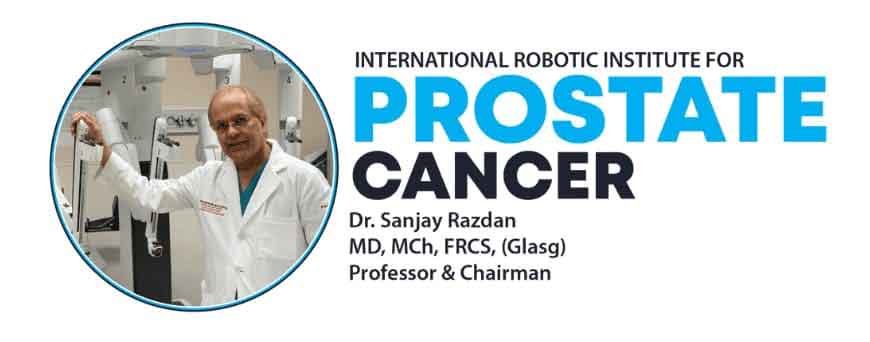
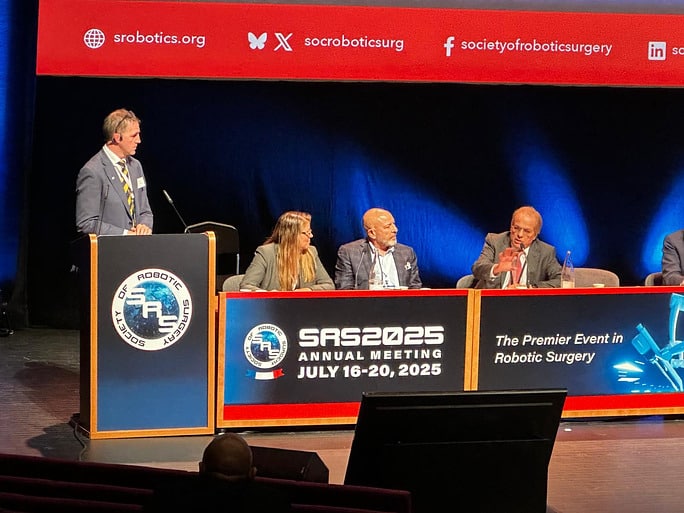
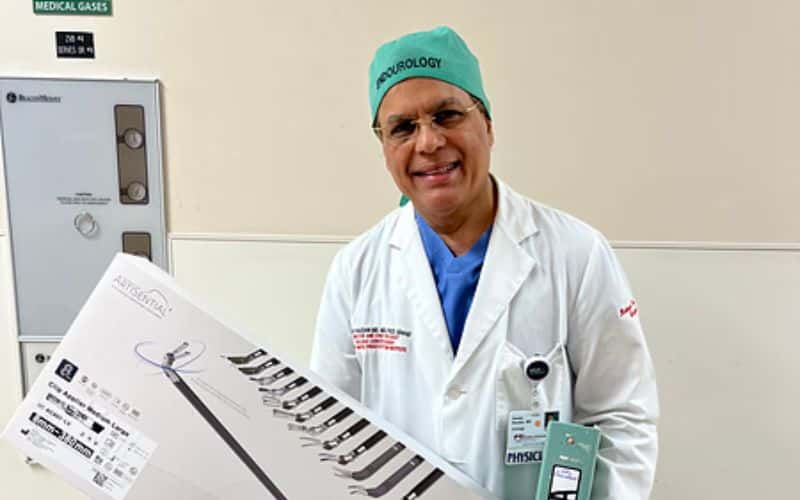
Practicing in Miami, Florida, Dr. Sanjay Razdan is a world-renowned urologic surgeon, Professor and Chairman of the International Robotic Institute for Prostate Cancer, and Director of Robotic Urology. Having completed more than 10,000 robotic urologic procedures, Dr. Razdan was one of the early pioneers to introduce robotic Aquablation to South Florida. By evaluating the physiological differences between heat-based resection and image-guided waterjet ablation, patients can make an informed choice that protects both their urinary flow and sexual quality of life.
Understanding the Technologies: How Each Procedure Works
The primary difference between Aquablation and TURP lies in the mechanism of tissue removal, visualization, and surgical control.
1. Transurethral Resection of the Prostate (TURP)
TURP is an electrosurgical operation performed through a rigid resectoscope inserted into the urethra. The surgeon uses an energized wire loop powered by monopolar or bipolar electricity to manually carve away obstructing prostate tissue piece by piece.
Because TURP relies on electrosurgical current to cut and cauterize simultaneously, thermal energy radiates beyond the cutting wire. This heat can penetrate the outer prostatic capsule and cause collateral damage to the surrounding cavernous nerves and internal bladder neck. TURP relies entirely on standard direct camera visualization, meaning the depth and boundary of the cut depend on manual hand-eye coordination without automated depth protection.
2. Robotic Aquablation Therapy
Aquablation is a minimally invasive, heat-free robotic procedure that combines real-time multi-dimensional imaging with a computer-guided, high-velocity waterjet.
- Real-Time Ultrasound + Cystoscopic Mapping: Rather than relying solely on a direct camera view, Aquablation integrates a transrectal ultrasound probe with a cystoscope. This provides a live, cross-sectional view of the entire prostate architecture, including the capsule, lateral lobes, median lobe, and neurovascular bundles.
- Robotic Precision Planning: Dr. Razdan maps out the exact contour of tissue to be removed on a digital console, establishing strict boundary zones to shield the verumontanum (which controls ejaculation) and the outer nerve bundles (which control erections).
- Athermal High-Velocity Waterjet: Once programmed, the robotic arm executes the tissue resection using a focused, heat-free saline jet. Because no thermal energy or burning is involved, the risk of heat injury to adjacent nerves is completely removed.
Preserving Sexual Function: Retrograde Ejaculation and Potency
For many active men, the decisive factor when choosing a BPH procedure is its impact on sexual health.
- Retrograde Ejaculation (“Dry Orgasm”): In traditional TURP, electrosurgical heat and aggressive resection around the bladder neck cause scarring or incompetence of the internal sphincter. Consequently, approximately 65% to 75% of men who undergo TURP experience permanent retrograde ejaculation, where semen travels backward into the bladder during orgasm. In contrast, clinical trials demonstrate that Aquablation preserves normal forward ejaculation in approximately 85% to 90% of men, because the robotic software allows the surgeon to spare the ejaculatory duct anatomy.
- Erectile Dysfunction: While modern bipolar TURP carries an erectile dysfunction risk of roughly 3% to 5%, the complete absence of electrocautery in Aquablation virtually eliminates thermal neuropraxia, offering high rates of baseline potency preservation.
Comparative Overview: Aquablation vs. TURP
| Clinical Dimension | Robotic Aquablation Therapy | Traditional Electrosurgical TURP |
| Tissue Resection Modality | High-velocity, heat-free saline waterjet | Monopolar or bipolar electric loop |
| Thermal Energy / Heat | Zero thermal energy applied | Significant heat conduction to margins |
| Imaging & Guidance | Dual live ultrasound + robotic mapping | Standard visual cystoscopic camera |
| Prostate Size Suitability | Effective across small, medium, and large glands (>80–150cc) | Best suited for small to moderate glands (<80cc) |
| Retrograde Ejaculation Risk | Low (~10% to 15%) | High (65% to 75%) |
| Erectile Function Preservation | High (No thermal injury to nerve bundles) | Moderate (Small risk of thermal neuropraxia) |
| Resection Time | Typically 4 to 8 minutes of robotic cutting | 45 to 90 minutes of manual cutting |
| Hospital Stay | Outpatient or overnight stay | Inpatient overnight stay (1 to 2 days) |
Frequently Asked Questions (FAQ)
Is Aquablation as durable as traditional TURP?
Yes. Clinical trials evaluating long-term outcomes (such as the WATER and WATER II studies) show that Aquablation provides symptom score (IPSS) reductions and flow rate improvements equivalent to traditional TURP, with low re-treatment rates at five years.
Can Aquablation treat an enlarged middle lobe or very large prostate?
Yes. One of the major advantages of Aquablation is its ability to treat prostates of virtually any size or shape—including glands over 80 to 150 grams and those with obstructive median lobes. TURP becomes technically challenging and carries higher bleeding risks as prostate volume exceeds 80 grams.
How long does the urinary catheter stay in after Aquablation?
Because the waterjet produces rapid debulking without thermal coagulative crusting, a temporary catheter is placed after surgery to allow gentle compression and irrigation. The catheter is typically removed within 24 to 48 hours, and most patients return home the next day.
Conclusion
While traditional TURP remains a reliable treatment for channel clearance, robotic Aquablation represents a technological step forward in BPH surgery. By combining live multi-planar imaging, robotic repeatability, and heat-free waterjet resection, Aquablation delivers the wide-open urinary channel of traditional surgery while protecting normal ejaculatory and erectile function. Consulting with an experienced robotic surgeon ensures that your prostate size, anatomy, and lifestyle goals are matched to the right intervention.
Schedule a Fast-Track Second Opinion with Dr. Sanjay Razdan
Whether evaluating advanced robotic solutions for an enlarged prostate, facing a complex high-risk cancer diagnosis, or managing a rising PSA after prior radiation or focal therapy, surgical experience is the single most critical factor in achieving optimal outcomes. With a lifetime operative volume exceeding 10,000 robotic urologic procedures, Dr. Sanjay Razdan provides thorough second opinions and accelerated consultations for patients across Florida, the United States, and internationally.
- Expedited Consultations: Same-week in-person visits in Miami/Doral and secure virtual record reviews for out-of-state patients.
- Advanced Robotic Capabilities: High-volume expertise across robotic Aquablation, nerve-sparing prostatectomies, and complex salvage resections.
- Practice Location: International Robotic Prostatectomy Institute, 3650 NW 82nd Ave, Suite 501, Doral, FL 33166
- Direct Consultation Line: (305) 251-8650
- Online Consultation Portal: miamiroboticprostatectomy.com