


 WhatsApp




Why is a Prostatectomy performed?
Prostatectomy is a procedure to cure localized prostate cancer. It may be used alone or in conjunction with radiation, chemotherapy, and hormone therapy. Prostatectomy to treat prostate cancer involves removing the entire prostate, seminal vesicles, and some surrounding tissue, including lymph nodes. Radical prostatectomy, which involves the complete removal of the prostate, is the gold standard for the majority of patients with organ-confined prostate cancer. Its appeal lies in the degree of certainty it offers in terms of removing the disease in one strike. This has been understood to be the safest way of eradicating cancer, but there can be side effects if not performed by an expert prostate cancer surgeon.
Risks with Radical Prostatectomy:
A traditional radical prostatectomy is undertaken using wide margins around the prostate, damaging the nerves that control the blood supply to the penis. This can lead to urinary incontinence (being unable to control urine) and erectile dysfunction (inability to get an erection).
What is Robotic Prostatectomy?
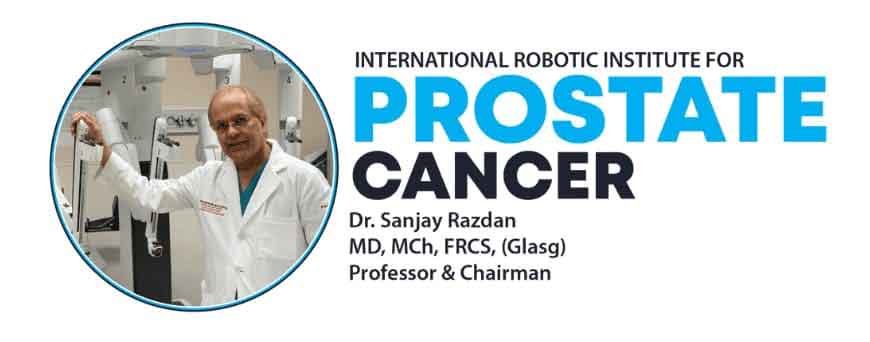
In a robotic prostatectomy, the minimally invasive surgery is performed using the Davinci Robotic system. Dr. Razdan sits at a control panel in the operating room and moves robotic arms to operate through several small incisions in the patient’s abdomen. Surgical robotics combines minimally invasive techniques with highly advanced clinical technology and expertise. Robotic surgery provides 3D vision and precise direction that allow for a very precise nerve-sparing approach. This approach has some key benefits that include:
- Smaller incisions and less scarring
- Less blood loss (< 50-100 ml)
- Less need for blood transfusions (<0.1%)
- Short hospital stay (1 day for most patients, but many can go home the same day)
- Minimal need for pain medication
- Short recovery time and quick return to normal activity (two to three weeks)
- Early return of sexual function
- Low risk of urinary incontinence
- Preserving much of the surrounding nerve structures responsible for penile erections
Nerve Sparing in Robotic Surgery
During robotic prostate cancer surgery, the robotic system’s high-definition camera and instruments give the surgeon a clearer view of the prostate and surrounding structures. This precision enables the surgeon to preserve the neurovascular bundles, which may not have been possible with traditional surgical methods. By preserving these nerves, the surgery aims to reduce the risk of post-surgery erectile dysfunction and urinary incontinence, which are common concerns for patients undergoing prostate cancer surgery.
Why Nerve Sparing Matters?
The preservation of erectile dysfunction and urinary incontinence is crucial for many prostate cancer patients. After surgery, many patients fear a loss of sexual function and the possibility of needing to use incontinence pads or undergo further treatment for bladder control. Nerve-sparing techniques, therefore, aim to improve these outcomes by facilitating functional recovery post-surgery and enhancing the patient’s overall well-being.
Where Does Robotic Prostate Cancer Surgery Fit into the Overall Treatment Protocol?
Robotic Prostate Cancer Surgery is particularly part of a broader treatment plan for patients diagnosed with prostate cancer. Once a patient is diagnosed with prostate cancer, treatment options are considered based on the cancer’s stage, location, and overall prognosis.
Initial Diagnosis and Staging
The first step in determining whether robotic prostate cancer surgery is an appropriate treatment is the diagnosis and staging process. This includes a combination of PSA testing, digital rectal exams (DRE), and prostate biopsies, as well as imaging techniques like MRI or CT scans. These tests help to determine the cancer’s stage and whether nerve-sparing techniques are viable based on tumor location.
Surgical Treatment
For patients with localized prostate cancer, robotic radical prostatectomy with nerve-sparing techniques may be the treatment of choice. This surgery aims to remove the prostate gland while preserving surrounding nerves and minimizing the risk of recurrence. If nerve-sparing is not possible, patients may be offered alternative treatments, such as radiation therapy, depending on their condition.
Post-Surgery Monitoring and Recovery
After prostate cancer surgery, patients are closely monitored for complications such as infection, incontinence, and erectile dysfunction. Depending on the extent of nerve preservation, recovery times for erectile function and urinary continence may vary. Rehabilitation programs may be recommended to help patients regain control over urinary and sexual function.
Benefits of Nerve Sparing Robotic Prostatectomy:
Dr. Razdan pioneered a novel intra-operative grading system for nerve preservation. Dr. Razdan’s nerve-sparing approach is a unique type of surgery that protects the nerves near the tissues being removed. His unique technique of clipless nerve preservation has resulted in thousands of his patients being able to preserve erectile function and penile length after robotic prostatectomy.
Nerve-sparing robotic prostatectomy by Dr. Razdan provides cancer patients with a safe and minimally invasive technique for the removal of the prostate gland. Robotic prostatectomy has many benefits. The high-tech equipment used to accomplish this surgery allows the surgeon to operate through small ports while visualizing internal organs in high definition. Nerve-sparing robotic prostatectomy allows surgeons to operate with the same flexibility and ease as an open surgeon has when performing open prostatectomy.
Recent clinical data have proven that patient outcomes are usually greater when performed by a high-volume prostate cancer surgeon.
Final Words:
Overall, with the advent of new technologies and safer alternatives to invasive treatments, it has become possible to limit the risks associated with prostate cancer surgery. By combining the latest technological advancements along with 3D imaging in nerve-sparing robotic prostatectomy, the life spans of prostate cancer patients have increased with shorter recovery times.
Frequently Asked Questions
Can all prostate cancer patients undergo nerve-sparing surgery?
A: Nerve-sparing surgery is typically only suitable for patients with localized prostate cancer. If the cancer has spread to the surrounding tissues or is near nerves, nerve-sparing may not be possible.
How does robotic prostate cancer surgery differ from traditional surgery?
A: Robotic prostate cancer surgery is minimally invasive, requiring only small incisions. It provides greater precision, a higher chance of preserving nerves, and faster recovery times compared to traditional open prostatectomy.
How long does it take to recover from robotic prostate cancer surgery?
Recovery time varies, but most patients experience shorter hospital stays and quicker returns to daily activities compared to traditional surgery.