


 WhatsApp

When men are diagnosed with prostate cancer, the conversation usually starts with treatment options.
Surgery.
Radiation.
Active surveillance.
But very quickly, another question takes over:
“What is this going to do to my body after?”
That’s where the discussion becomes more real.
Because treating prostate cancer isn’t just about removing disease — it’s about what life looks like afterward.
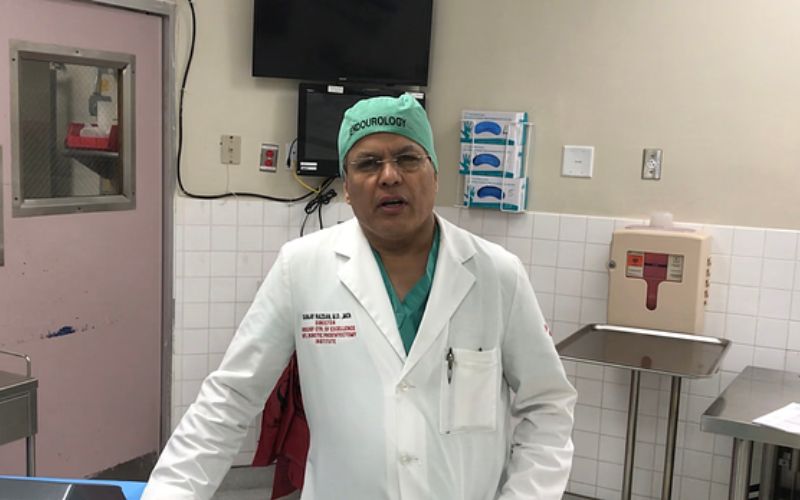
At the Miami Robotic Prostatectomy Center, Dr. Sanjay Razdan approaches treatment with that exact mindset.
Not just controlling cancer.
But actively working to reduce, manage, and in many cases prevent the side effects patients worry about most.
Why Side Effects Happen in the First Place
Prostate cancer treatments — especially surgery — take place in a very sensitive area of the body.
Right next to the prostate are:
- nerves responsible for erections
- muscles controlling urinary continence
- structures supporting bladder function
Even when surgery is performed perfectly, these areas can be temporarily affected.
That’s why side effects are not uncommon.
But here’s what matters:
The severity — and recovery — depends heavily on surgical technique and experience.
That’s where Dr. Razdan’s approach stands out.
Urinary Incontinence (Loss of Bladder Control)
This is often the first concern patients bring up.
After prostate surgery, some men experience leakage — especially early on.
What patients typically notice:
- leakage when coughing, laughing, or standing
- difficulty holding urine initially
- gradual improvement over time
How Dr. Razdan helps reduce this risk:
Dr. Razdan uses advanced robotic techniques focused on:
- preserving urethral length
- minimizing trauma to continence structures
- precise reconstruction after prostate removal
These details matter.
Because continence recovery is largely determined during surgery — not after.
How patients manage it:
- pelvic floor exercises (Kegels)
- guided recovery plans
- time and gradual healing
Most patients see steady improvement over weeks to months.
Erectile Function Changes (What Patients Really Want to Know)
This is the question most patients ask — even if they don’t ask it right away.
Here’s the key point Dr. Razdan emphasizes:
Erectile dysfunction is not guaranteed.
And more importantly — outcomes have improved significantly with modern techniques.
Why this happens:
The nerves responsible for erections sit right next to the prostate.
Even minimal disruption can temporarily affect function.
What makes Dr. Razdan different:
His approach includes:
- advanced nerve-sparing techniques
- MULP (Maximum Urethral Length Preservation)
- use of human amniotic membrane to support healing
These techniques are specifically designed to:
- protect nerve integrity
- reduce inflammation
- support faster functional recovery
This is a major reason patients travel to Miami for his care.
Because the goal isn’t just removing cancer.
It’s preserving quality of life.
What recovery looks like:
- early phase: reduced function is common
- gradual return over months
- continued improvement up to 12–24 months
And importantly — recovery is often better than patients expect when the right technique is used.
Fatigue and Low Energy
Many patients don’t expect this one.
After treatment, especially surgery or radiation, fatigue is common.
What it feels like:
- lower energy levels
- needing more rest than usual
- slower return to full activity
How it’s managed:
- gradual increase in activity
- proper nutrition
- staying hydrated
- realistic expectations during recovery
Dr. Razdan prepares patients for this so it doesn’t come as a surprise.
Changes in Urinary or Sexual Function Confidence
There’s a physical side to recovery.
And there’s also a mental side.
Patients may experience:
- hesitation with physical activity
- concerns about intimacy
- reduced confidence early on
This is normal.
And it improves as recovery progresses.
Dr. Razdan emphasizes open conversations about this — because ignoring it doesn’t help.
Why Surgical Technique Changes Everything
Here’s the part most patients don’t realize until later:
Side effects are not random.
They are heavily influenced by:
- surgeon experience
- surgical precision
- technique used during the procedure
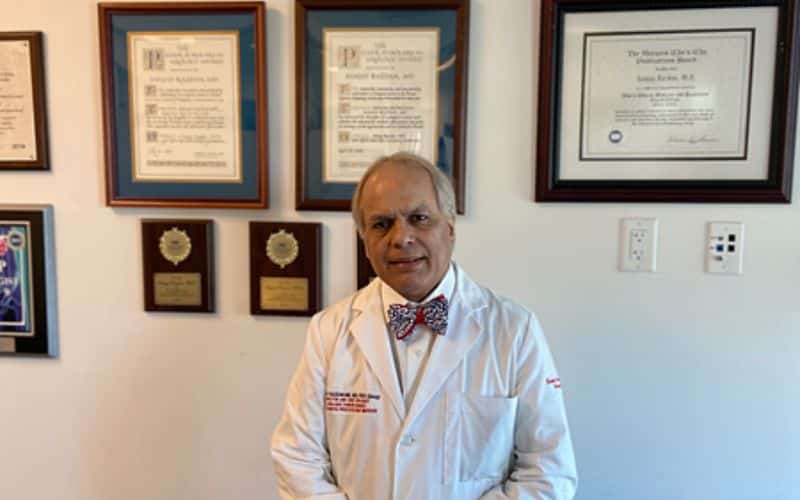
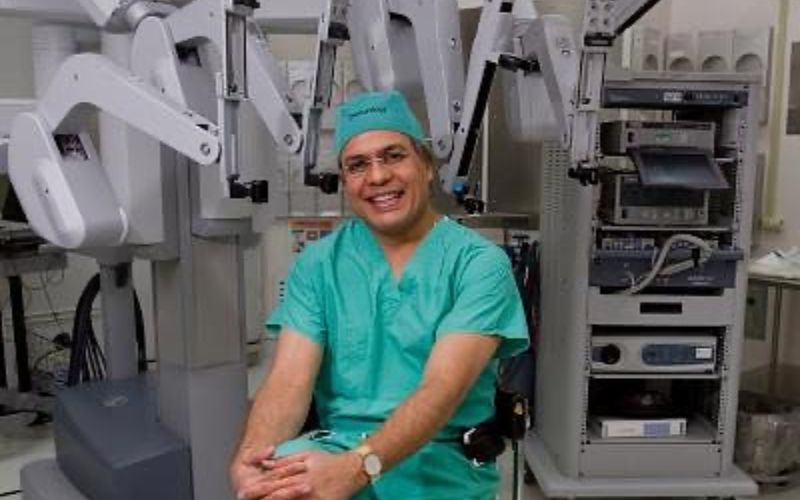
Dr. Sanjay Razdan has performed thousands of robotic prostate surgeries and is known internationally for techniques focused on:
- preserving erectile function
- minimizing incontinence
- improving recovery timelines
That experience directly impacts outcomes.
Why Patients Travel to Miami for Dr. Razdan
Patients often come from outside Florida — and even internationally — for one reason:
They want the best possible outcome.
Not just cancer control.
But:
- continence
- sexual function
- long-term quality of life
Dr. Razdan’s reputation is built on:
- advanced robotic prostatectomy techniques
- outcome-focused surgical planning
- personalized patient care
- decades of experience
That combination is what patients are really choosing.
What Patients Should Focus on Before Treatment
Instead of only asking:
“What are the side effects?”
Dr. Razdan encourages patients to ask:
- What techniques will be used to minimize them?
- How experienced is my surgeon?
- What is my realistic recovery outlook?
- What support will I have after surgery?
Because those answers matter more than the list of possible side effects.
Frequently Asked Questions
Are side effects from prostate cancer treatment permanent?
Not usually. Many side effects improve significantly over time, especially with proper surgical technique.
Is urinary incontinence inevitable?
No. Many patients regain control, particularly when surgery preserves key structures.
Will erectile function return?
In many cases, yes — especially when nerve-sparing techniques are used.
How long does recovery take?
Initial recovery takes weeks, but full functional recovery can take several months.
Can anything be done to improve recovery?
Yes. Surgical technique, rehabilitation, and follow-up care all play important roles.
Contact Dr. Sanjay Razdan
If you’ve been diagnosed with prostate cancer and want to understand how treatment can be done while protecting your quality of life, a consultation can help you make an informed decision.
Dr. Sanjay Razdan
Miami Robotic Prostatectomy Center
Website: https://miamiroboticprostatectomy.com
Phone: 1-305-251-8650
During your consultation, your case will be evaluated in detail, and you’ll get a clear understanding of your treatment options — along with how modern techniques can help reduce side effects and support a stronger recovery.