


 WhatsApp
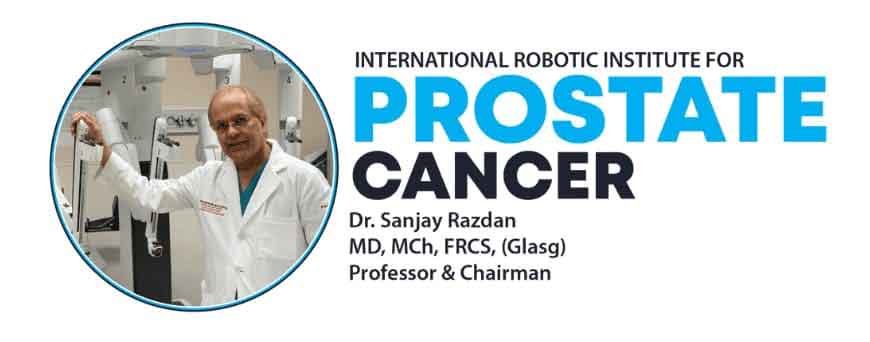





Robotic prostatectomy is a minimally invasive surgery to remove the prostate gland and surrounding structures. This surgery is most often done to treat prostate cancer. The success rates are high if the cancer has not spread beyond the prostate. Otherwise, it can result in erectile dysfunction afterwards. Most men who receive treatment for early prostate cancer can regain erectile function and have satisfying sex lives have erections after robotic prostatectomy. However, it is a gradual process and may range from several months to 2 years.
Erectile dysfunction is a common concern for men undergoing robotic prostatectomy, which is a treatment procedure often used to treat prostate cancer. Many patients worry about the impact on sexual function. Here, we will provide you with everything you need to know about erections after robotic prostatectomy, factors that influence recovery time, and the treatment options available to help restore erectile function.
What is Robotic Prostatectomy?
Robotic prostatectomy is a minimally invasive treatment procedure in which the entire prostate gland is removed with the help of robotic-assisted systems. In this advanced treatment procedure, small incisions are made for:
- Reduced blood loss
- Smaller scars
- Faster recovery times
However, erectile dysfunction (ED) is one of the potential side effects, as the prostate is closely connected to the nerves responsible for erectile function.
Can ED Be Treated?
Erectile dysfunction is entirely treatable, but most men have their doubts after hearing so many negative experiences of patients. It is very important to learn about treatment options for erectile dysfunction for all patients because it is the most common complication of this surgery. Many men do regain the ability to have erections immediately after having nerve-sparing robotic prostatectomy surgery with Dr. Razdan.
Treatment Options for Erectile Dysfunction:
There are several ways to treat erectile dysfunction in prostate cancer patients. Consult your doctor to find an effective ED treatment that suits your medical history and lifestyle. We have shed light on some of the common therapies below so you can make an informed decision.
- Oral medications relax the muscles in the penis, allowing blood to rapidly flow in. On average, the drugs take about an hour to begin working, and the erection-helping effects can last from 8 to 36 hours. However, oral medication is not recommended for patients with a history of heart problems.
- Injecting medication directly into the penis is another option. While this is not as convenient as taking a pill, this option can help produce an erection.
- You can create an erection mechanically with the help of a vacuum device. It works by forcing blood into the penis using a vacuum seal. A rubber ring rolled onto the base of the penis prevents blood from escaping once the seal is broken.
- Surgery can also be done to treat ED, as various devices exist that can be implanted into the penis to help you achieve an erection. With one type, there is a small pump implanted under the skin of the scrotum. When you want to have sex, you squeeze the pump, and fluid is sent to cylinders that are implanted in the penis. The fluid helps create an erection.
- Pelvic floor muscle exercises offer yet another option. These exercises have been found to improve erectile function in men with ED from other causes. Your doctor may recommend that you do pelvic floor muscle exercises after surgery to help with urinary control and possibly restore your sexual function.
Impact of Robotic Prostatectomy on Erectile Function
Erectile function is dependent on the nerves surrounding the prostate, and during surgery, these nerves can be affected, leading to erectile dysfunction. The extent of impact depends on numerous factors, such as
Extent of nerve damage: The better the chances of erectile recovery, the more nerves are preserved.
Success of nerve-sparing surgery: The technique can improve the chances of preserving erectile function.
Erectile Dysfunction After Robotic Prostatectomy
After robotic prostatectomy, erectile dysfunction (ED) is a common issue. Since the nerves that control erections are located near the prostate. Depending on a variety of factors, this dysfunction can be temporary or permanent.
Temporary ED: After surgery, temporary erectile dysfunction may develop in men.
Long-term ED: In some cases, when healing takes more time or during surgery, there is nerve injury, and ED could take longer.
Here are some factors that influence the recovery from ED:
- Age
- Erectile dysfunction before surgery
- Presence of other medical diseases (such as diabetes or hypertension)
Even though erectile dysfunction is a problem, it is important to remember that most patients ultimately regain their erectile function with the proper care and support.
Nerve-Sparing Robotic Prostatectomy and Erectile Function
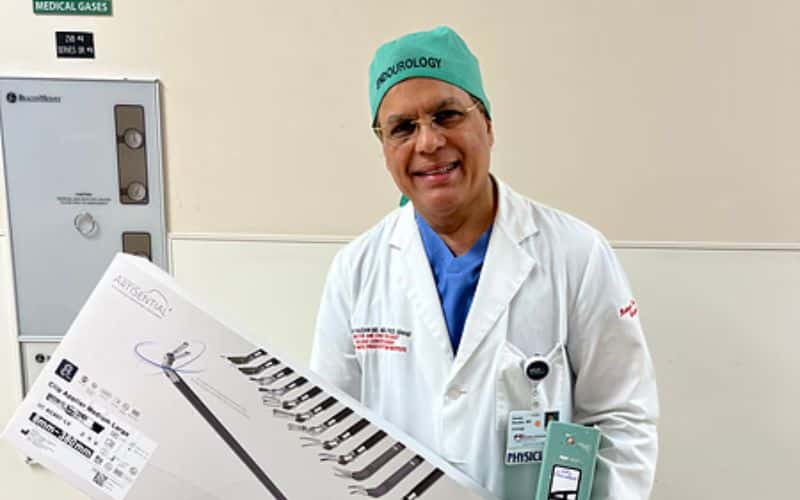
This surgical procedure is the key to preserving erectile function after robotic prostatectomy. Dr. Razdan specializes in nerve-sparing techniques that
- Preserving erectile nerves: This technique offers a high chance of regaining erectile function by carefully avoiding damage to the nerves that cause erectile function.
- Improved outcomes: It is recorded that the men who undergo nerve-sparing prostatectomy have higher chances of recovering erectile function.
Post-Surgery Recovery and Erections
Some post-operative recovery practices patients might experience include:
- Phase right after surgery: It is common for erections to be weak or lacking initially.
- Timeline for healing: To completely recover erectile function, it may take around 6 months to one year or more.
- Recovery support: Personalized post-operative care, including medications and pelvic exercises, increases the chances of a successful recovery.
Treatments and Therapies for Erectile Dysfunction After Surgery
Several treatment options and therapies can help to regain sexual function, such as:
Oral Medications: For achieving and maintaining erections, drugs such as Viagra or Cialis can improve the blood flow to the penis.
Vacuum Erection Devices: VEDs draw blood into the area to create an erection by creating a vacuum around the penis.
Penile Implants: It is a surgical option in which devices provide a long-term solution for achieving erections.
Dr. Razdan provides personalized treatment plans for each patient tailored to meet their unique needs.
Factors Affecting Erectile Recovery After Robotic Prostatectomy
Numerous factors influence erectile recovery after robotic prostatectomy, including:
- Age
- Overall health
- Pre-surgery erectile function
- Nerve-sparing surgery
Psychological Aspects of Erectile Dysfunction Post-Surgery
Psychological factors of erectile dysfunction are crucial to understand. After surgery, many men experience anxiety, depression, & frustration, and addressing these issues is crucial for recovery.
Emotional support: Open communication with your loved ones can significantly reduce emotional strains.
Counseling and therapy: To address anxiety and depression related to sexual health, professional counseling may be advised.
Lifestyle Changes to Support Erectile Health Post-Surgery
After robotic prostatectomy, making several lifestyle changes can significantly improve the recovery of erectile function. Some key recommendations include:
Diet: A balanced and nutritious diet is crucial for supporting overall health.
Exercise: Improved blood flow, reduced stress, and boosted energy are the results of regular physical activity.
Stress Management: Through techniques such as yoga, meditation, or relaxation exercises, stress can be reduced, leading to a positive effect on mental and physical health.
Dr. Razdan recommends these lifestyle changes to improve overall recovery.
Consulting a Therapist:
Facing a cancer diagnosis and the impending treatment is a life-changing event. The emotional impact cannot be downplayed, and it needs to be addressed properly. There are several doctors and mental health professionals who have extensive experience in dealing with ED. Therapists understand how sexual problems can affect your feelings of self-worth and your relationships. If you have a partner, see a therapist together. It will be easier for both of you to express your fears and concerns, learn coping strategies, and find new ways to develop intimacy during your recovery. There are also support groups available to provide further encouragement and hope.
Frequently Asked Questions About Erections after Robotic Prostatectomy
Question 1. How soon after robotic prostatectomy will I notice changes in my erections?
Answer. Temporary erectile dysfunction is experienced by most patients right after surgery. Within a few months, some patients may notice improvement in erectile function.
Question 2. What factors influence my ability to regain erections after robotic prostatectomy?
Answer. Some key factors include the extent of nerve preservation during surgery, age, overall health, pre-surgery erectile function, adherence to post-surgery care and rehabilitation, etc.
Question 3. Is there any psychological impact on erectile function after robotic prostatectomy?
Answer. Yes, many men experience a psychological impact on erectile function after robotic prostatectomy. Counseling or therapy that addresses these concerns can help improve recovery and quality of life.
Question 4. What is the role of penile rehabilitation after robotic prostatectomy?
Answer. By encouraging blood flow to the penis, penile rehabilitation can help to preserve erectile function. Medication, vacuum devices, or other therapies are used to keep the tissues healthy during recovery.