


 WhatsApp

What Patients Can Expect — And How Dr. Sanjay Razdan Helps Speed Healing
When someone hears they need hernia surgery, one of the first questions isn’t actually about the procedure.
It’s about recovery.
How long will I be out of work?
How much pain should I expect?
When can I exercise again?
When will things feel normal?
These concerns are completely understandable. Surgery interrupts routine, work, and daily life. And recovery timelines online can feel confusing because they vary so much from patient to patient.
The reality is this: recovery depends heavily on the surgical technique, the patient’s health, and the experience of the surgeon performing the repair.
For patients treated by Dr. Sanjay Razdan, a leading surgeon in Miami known for advanced minimally invasive techniques, recovery is often smoother and faster because of his precision-based surgical approach and focus on tissue preservation.
Let’s walk through what recovery really looks like — in practical terms.
What Actually Happens During Hernia Surgery
A hernia happens when tissue or an organ pushes through a weak spot in muscle, most commonly in the abdomen or groin.
Surgery repairs that weakness and restores the normal structure of the abdominal wall.
There are typically two approaches:
Open surgery — one larger incision
Minimally invasive or robotic surgery — small incisions using a camera and instruments
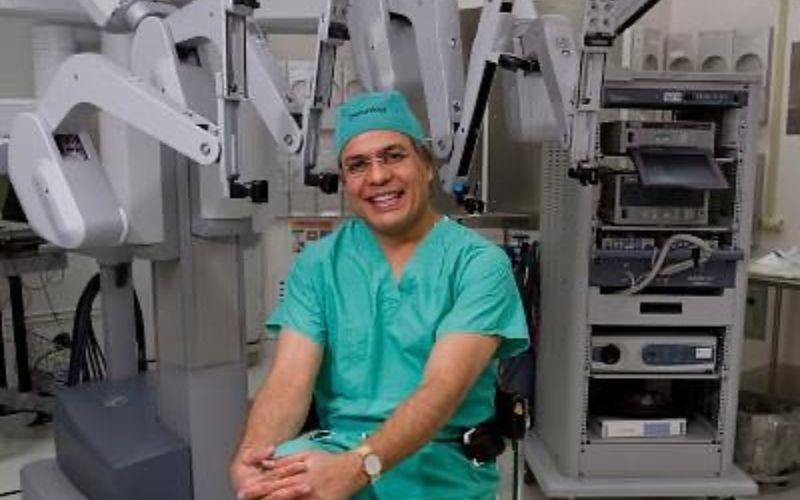
Dr. Sanjay Razdan frequently performs minimally invasive and robotic procedures whenever appropriate. These approaches usually cause less tissue disruption, which often leads to less pain and quicker recovery.
The goal isn’t just fixing the hernia.
It’s minimizing trauma to the body while doing it.
The Short Answer: Typical Recovery Timeline
People want a clear timeline, so here’s the general picture.
Most patients experience:
- Light walking within 24 hours
- Return to normal daily activities within 1–2 weeks
- Return to work in 1–3 weeks depending on job demands
- Avoiding heavy lifting for about 4–6 weeks
- Full healing over several weeks to a few months
But that timeline changes based on the type of repair and overall health.
Patients treated with minimally invasive techniques often recover faster.
The First 24–48 Hours After Surgery
The first couple of days are usually about rest and gradual movement.
Patients commonly notice:
- Mild to moderate soreness
- Swelling around the repair site
- Fatigue from anesthesia
- Tightness or pressure when moving
Most pain is manageable with medication. Many patients describe discomfort rather than severe pain.
Dr. Razdan encourages early walking because movement helps circulation and reduces complications like blood clots.
Small steps matter early on.
The First Week: Getting Back to Normal Routine
By the end of the first week, most patients start feeling significantly better.
You can usually:
- Walk comfortably
- Shower normally
- Perform light daily tasks
- Resume desk work in some cases
Heavy lifting, intense exercise, or straining still need to be avoided.
Dr. Razdan provides very specific post-operative instructions because proper recovery early on reduces the risk of recurrence later.
Weeks Two Through Four: Strength Returns
This is when most people feel close to normal.
Energy improves.
Pain continues to decrease.
Mobility returns.
Patients often resume:
- Regular work schedules
- Driving comfortably
- Light exercise like walking
- Most daily activities
The body is still healing internally, even if symptoms are minimal. That’s why activity restrictions still matter.
Full Recovery and Long-Term Healing
Internal healing takes longer than external healing.
Most patients reach full recovery within several weeks, though complete tissue strength continues developing over time.
Heavy lifting and strenuous exercise are usually cleared around 4–6 weeks, depending on the individual.
Dr. Razdan monitors recovery closely and adjusts activity recommendations based on each patient’s healing progress.
Why Surgeon Experience Changes Recovery
Not all hernia surgeries are the same.
The amount of tissue handling, surgical precision, and technique used during repair directly affect recovery time.
Dr. Sanjay Razdan is known for:
- Extensive surgical experience
- Advanced minimally invasive techniques
- Precision-focused tissue handling
- Reduced surgical trauma
- Careful abdominal wall reconstruction
This level of surgical control often results in less pain, fewer complications, and faster healing.
Patients travel to Miami specifically for this expertise.
What Can Slow Down Recovery
Certain factors can extend healing time, including:
- Smoking
- Diabetes
- Obesity
- Poor circulation
- Strenuous activity too early
- Large or complex hernias
Dr. Razdan evaluates these risks before surgery and helps patients prepare for the best possible outcome.
Preparation matters just as much as the procedure itself.
Tips That Help Patients Recover Faster
Recovery is a partnership between patient and surgeon.
Dr. Razdan commonly recommends:
- Walking daily after surgery
- Avoiding strain or heavy lifting
- Following wound care instructions carefully
- Staying hydrated
- Maintaining healthy nutrition
- Attending follow-up visits
Small decisions during recovery often determine long-term success.
Why Patients Choose Dr. Sanjay Razdan
Patients often choose Dr. Razdan because his focus goes beyond simply repairing the hernia.
His care emphasizes:
- Minimally invasive surgical techniques
- Precision and tissue preservation
- Faster recovery when medically possible
- Individualized treatment planning
- Long-term patient support
The goal is not just fixing the problem — but helping patients return to normal life quickly and safely.
Frequently Asked Questions
How painful is hernia surgery recovery?
Most patients experience manageable soreness rather than severe pain, especially with minimally invasive techniques.
How soon can I go back to work?
Desk jobs often resume within 1–2 weeks. Physical jobs may require more time.
Can a hernia come back after surgery?
Recurrence is uncommon when proper repair and recovery guidelines are followed.
When can I exercise again?
Light activity starts early, but heavy lifting is usually restricted for about 4–6 weeks.
Does robotic surgery speed recovery?
In many cases, yes. Smaller incisions and less tissue disruption often improve healing time.
Contact Dr. Sanjay Razdan
If you’ve been diagnosed with a hernia and want to understand your recovery expectations or treatment options, a consultation with an experienced surgeon can help you plan with confidence.
Dr. Sanjay Razdan
Miami Robotic Prostatectomy Center
Website: https://miamiroboticprostatectomy.com
Phone: 1-305-251-8650