


 WhatsApp

When medication therapy is no longer sufficient to relieve lower urinary tract symptoms caused by benign prostatic hyperplasia (BPH), surgical intervention becomes necessary to restore a clear urinary channel. Men facing this decision often confront a difficult choice: traditional surgical options provide reliable, long-lasting urinary flow improvements, but they have historically carried significant risks of permanent sexual side effects, bleeding, and prolonged recovery periods.
Modern surgical platforms have fundamentally altered this paradigm. Robotic Aquablation therapy—a heat-free, image-guided waterjet ablation system—was engineered specifically to overcome the biological and anatomical limitations of traditional surgery. By merging multi-dimensional real-time imaging, computerized robotic execution, and athermal tissue resection, Aquablation offers a predictable, anatomically precise alternative to conventional methods.
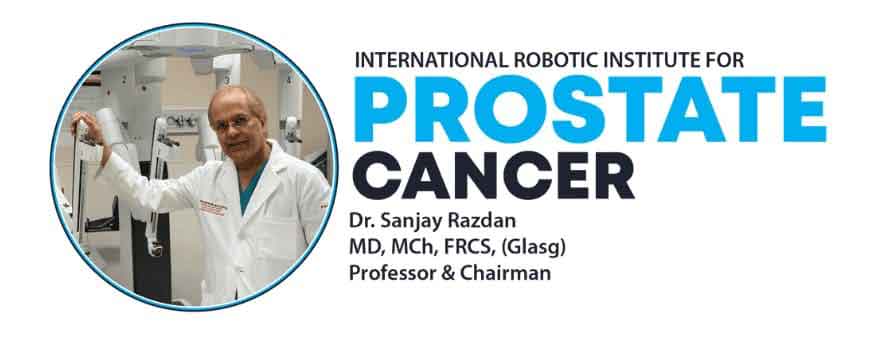
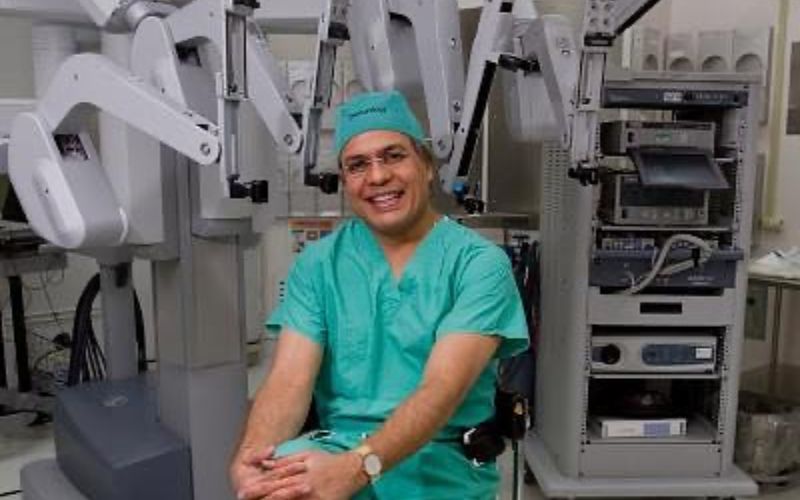
In Miami, Florida, Dr. Sanjay Razdan is a world-renowned urologic surgeon, Professor and Chairman of the International Robotic Institute for Prostate Cancer, and Director of Robotic Urology. Having completed more than 10,000 robotic urologic procedures, Dr. Razdan has evaluated and performed traditional, laser, and robotic therapies across diverse patient populations. Comparing the core clinical differences between robotic Aquablation and traditional BPH techniques allows men to understand why this robotic platform often represents the superior surgical approach.
The Limitations of Traditional BPH Methods
To understand why Aquablation was developed, it is essential to examine the mechanics and vulnerabilities of traditional methods:
- Electrosurgical Resection (TURP): Transurethral Resection of the Prostate relies on an electrified wire loop to manually chip away prostate tissue. Because it generates substantial heat to cut and coagulate simultaneously, thermal energy radiates outward toward the surrounding erectile nerve bundles and internal urinary sphincter. Furthermore, TURP relies entirely on standard direct cystoscopic visualization, leaving the surgeon unable to see beneath the mucosal surface or monitor the depth of the outer prostatic capsule.
- Laser Enucleation and Vaporization (HoLEP / GreenLight): Laser modalities utilize high thermal energy to vaporize or core out tissue. While highly effective at clearing large adenomas with minimal blood loss, laser procedures involve a steep learning curve, extended operative times, and high rates of transient dysuria (urinary burning) and retrograde ejaculation.
- Open or Simple Robotic Prostatectomy: For exceptionally large prostates (>100to150grams), traditional endourologic approaches have historically been unsafe, requiring invasive abdominal enucleation with prolonged hospital stays and longer catheterization times.
Why Robotic Aquablation Represents a Superior Alternative
Aquablation does not simply refine older techniques; it replaces manual, heat-driven tissue removal with an automated, image-guided robotic platform.
1. Heat-Free (Athermal) Resection
The single greatest drawback of both TURP and laser surgery is thermal collateral damage. Applying electrical or laser heat near the delicate structures adjacent to the prostate capsule risks damaging the cavernous nerves (which control erectile function) and the internal bladder neck (which controls ejaculation). Aquablation uses a room-temperature, high-velocity saline jet to hydro-dissect tissue. Because zero thermal energy is introduced into the pelvis, thermal nerve stun (neuropraxia) and heat-induced scar formation are entirely eliminated.
2. Dual-Energy Multi-Planar Imaging
Traditional resectoscopes only allow the surgeon to see what is directly in front of the lens. Aquablation pairs high-definition cystoscopy with simultaneous, live transrectal ultrasound. This gives Dr. Razdan a continuous 360-degree, cross-sectional view of the entire prostate organ. He can clearly identify the outer boundary of the surgical capsule, the exact depth of the lateral lobes, and the position of the critical median lobe, ensuring that no incisions breach the protective capsule.
3. Computerized Robotic Standardization
Manual resections depend strictly on physical hand-eye coordination over 45 to 90 minutes of continuous instrument movement, introducing variability and procedural fatigue. With Aquablation, the surgeon precisely contours the ablation target on a high-resolution touchscreen console. The robotic arm then executes the planned resection within three to eight minutes, delivering consistent, sub-millimeter tissue removal regardless of prostate architecture.
4. Consistency Across Any Prostate Size or Shape
Traditional methods struggle when prostate anatomy deviates from average dimensions. Small glands risk capsular perforation during TURP; massive glands (>100grams) or those with large obstructive intravesical median lobes often require invasive open surgery. Aquablation handles glands ranging from 30 grams to well over 150 grams with equal efficacy and consistency.
Comparative Overview: Robotic Aquablation vs. Traditional Methods
| Clinical Feature | Robotic Aquablation Therapy | Traditional TURP | Laser Surgery (HoLEP / GreenLight) |
| Resection Energy | Heat-free high-velocity saline | Monopolar / Bipolar electricity | High-intensity thermal laser |
| Visual Guidance | Live 3D Ultrasound + Cystoscopy | Surface cystoscopy only | Surface cystoscopy only |
| Execution Method | Automated robotic control | Manual handheld loop | Manual handheld laser fiber |
| Forward Ejaculation Preservation | Preserved in ~85% to 90% | Lost in 65% to 75% | Lost in 75% to 80%+ |
| Erectile Function Preservation | Virtually 100% (No thermal injury) | Small risk of thermal damage | Small risk of thermal damage |
| Gland Size Versatility | 30 to 150+ grams (Universal) | Best for <80 grams | Technically complex in small glands |
| Procedural Tissue Resection Time | Typically 3 to 8 minutes | 45 to 90 minutes | 60 to 120 minutes |
Frequently Asked Questions (FAQ)
Is Aquablation therapy considered experimental or newly approved?
No. Aquablation is an FDA-cleared, guideline-endorsed procedure supported by extensive international multi-center clinical trials (including the WATER and WATER II landmark studies). It is recognized in the American Urological Association (AUA) clinical guidelines as a validated, durable surgical treatment for BPH.
How does Aquablation achieve hemostasis without using heat?
Following the rapid, heat-free waterjet resection, light selective electrocautery or a specialized low-pressure Foley balloon is applied directly inside the prostatic cavity for several hours. This controls surface capillary bleeding without delivering damaging deep thermal energy to the surrounding capsule or nerve bundles.
What is the expected recovery timeline following the procedure?
Most patients spend one night in the hospital for gentle bladder irrigation. The urinary catheter is typically removed within 24 to 48 hours. Patients can generally resume light, non-strenuous daily activities within a few days, experiencing rapid improvements in urinary flow and voiding comfort as initial mucosal swelling subsides over the first two weeks.
Conclusion
When weighed against traditional electrosurgical and laser methods, robotic Aquablation therapy provides significant advantages in precision, safety, and functional preservation. By eliminating the risks of thermal energy, utilizing real-time ultrasound mapping, and automating tissue resection through robotic controls, Aquablation achieves the substantial urinary flow improvements of traditional surgery while protecting natural ejaculatory and erectile function. Consulting with an experienced robotic urologic surgeon ensures an accurate anatomical evaluation to determine if Aquablation is the optimal solution for your prostate health.
Schedule a Fast-Track Second Opinion with Dr. Sanjay Razdan
Whether evaluating robotic alternatives for an enlarged prostate, navigating a complex or high-risk cancer diagnosis, or managing disease recurrence after prior therapy, surgeon volume and institutional experience are critical to achieving superior outcomes. With a personal surgical record of more than 10,000 robotic urologic procedures, Dr. Sanjay Razdan provides expedited clinical evaluations and expert second opinions for patients locally in South Florida, across the United States, and internationally.
- Expedited Consultations: Fast-track scheduling for in-person evaluations in Miami/Doral, alongside secure virtual record reviews for traveling patients.
- Comprehensive Robotic Urology: Specialized expertise across robotic Aquablation, nerve-sparing prostatectomies, and complex salvage surgeries.
- Practice Location: International Robotic Prostatectomy Institute, 3650 NW 82nd Ave, Suite 501, Doral, FL 33166
- Direct Consultation Line: (305) 251-8650
- Online Consultation Portal: miamiroboticprostatectomy.com