


 WhatsApp

For many men, the words “prostate biopsy” can feel intimidating.
Usually the conversation begins after a PSA test comes back elevated or an MRI shows an area that needs closer evaluation. Patients often leave that appointment with several questions running through their mind.
Is the biopsy accurate?
Will it hurt?
How long does recovery take?
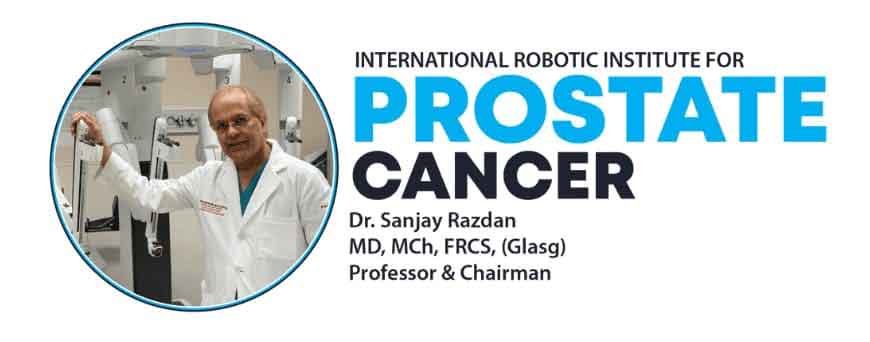
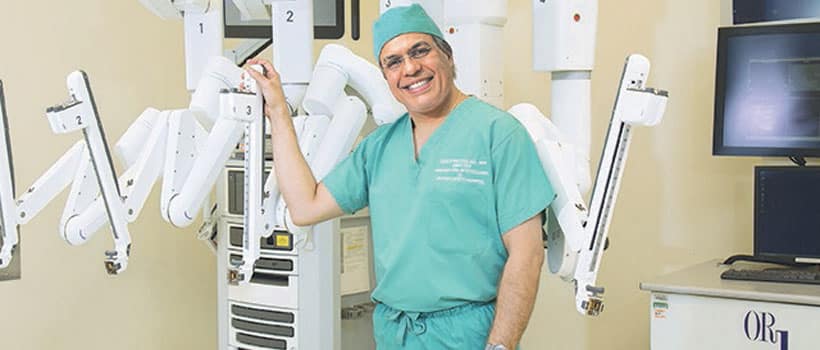
These are normal concerns. And they’re questions Dr. Sanjay Razdan discusses with patients every day at the Miami Robotic Prostatectomy Center.
A prostate biopsy is one of the most important tools doctors have for diagnosing prostate cancer, but understanding how it works can make the entire process feel far less stressful.
Why a Prostate Biopsy Is Sometimes Necessary
A prostate biopsy is the only way to confirm whether prostate cancer is actually present.
Doctors may recommend a biopsy when they see warning signs such as:
- Elevated PSA levels
- A suspicious finding on prostate MRI
- Abnormal results during a digital rectal exam
- Rapidly rising PSA over time
These tests can suggest a problem, but they cannot definitively diagnose cancer.
That’s where a biopsy becomes important.
At his practice in Miami, Dr. Razdan carefully reviews imaging and PSA history before recommending a biopsy, ensuring that the procedure is truly necessary.
How Modern Prostate Biopsies Work
The idea of a biopsy often sounds more complicated than it actually is.
During the procedure, very small samples of prostate tissue are collected using a specialized needle. These samples are then examined by a pathologist to determine whether cancer cells are present.
Today, many specialists — including Dr. Sanjay Razdan — use MRI-guided fusion biopsy, a more advanced method that combines MRI imaging with real-time ultrasound.
This allows the doctor to target suspicious areas far more precisely than older biopsy methods.
Instead of sampling tissue randomly, the biopsy can focus directly on areas most likely to contain abnormal cells.
That precision significantly improves diagnostic accuracy.
Accuracy: Why Targeted Biopsies Matter
Traditional prostate biopsies sometimes missed tumors because the sampling was done in a more generalized way.
MRI fusion biopsy has improved that process.
By combining MRI imaging with ultrasound guidance, doctors can identify and target specific areas of concern.
This technique helps:
- Improve detection of clinically significant cancers
- Reduce unnecessary repeat biopsies
- Provide more accurate staging information
- Guide treatment planning
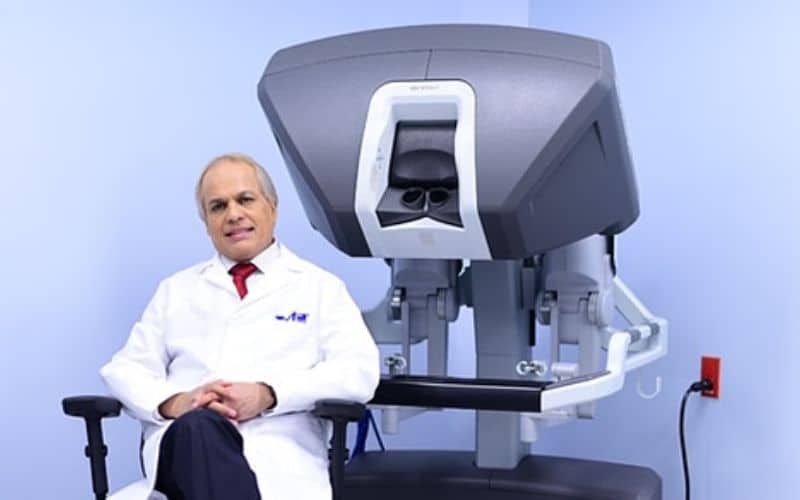
Dr. Razdan has extensive experience performing MRI fusion biopsies, which helps patients receive a clearer diagnosis from the start.
Better accuracy means better decisions about treatment.
Does a Prostate Biopsy Hurt?
Pain is one of the biggest worries patients have.
The reality is that most prostate biopsies are well tolerated.
The procedure typically involves:
- Local anesthesia to numb the area
- Mild pressure during tissue sampling
- A short procedure time (usually 15–20 minutes)
Patients may feel some pressure or brief discomfort during the biopsy, but severe pain is uncommon.
Dr. Razdan takes steps to ensure the procedure is as comfortable as possible for his patients, and most men are surprised by how manageable the experience actually is.
What Happens After the Biopsy
Recovery from a prostate biopsy is usually straightforward.
Patients can typically go home the same day and return to normal activities within a day or two.
It’s common to experience temporary symptoms such as:
- Mild soreness
- Small amounts of blood in the urine
- Blood in the semen
- Minor rectal bleeding
These effects usually resolve on their own.
Dr. Razdan provides clear post-procedure instructions so patients know exactly what to expect during recovery.
When Biopsy Results Come Back
Biopsy results usually take several days.
The pathology report determines:
- Whether cancer is present
- The Gleason score (how aggressive the cancer appears)
- The number of samples containing cancer
- The percentage of cancer within those samples
These details help doctors determine whether a patient needs treatment or if monitoring may be appropriate.
Dr. Razdan spends time reviewing these results carefully with patients so they fully understand what the findings mean.
Why Experience Matters for Prostate Biopsies
A biopsy might sound like a routine procedure, but technique and interpretation matter.
The physician performing the biopsy must understand:
- prostate anatomy
- MRI imaging interpretation
- targeted biopsy methods
- cancer risk evaluation
Dr. Sanjay Razdan is internationally recognized for his work in prostate cancer diagnosis and treatment, and his experience helps ensure that biopsies are performed accurately and safely.
Many patients travel to Miami specifically for his expertise in prostate cancer care.
When a Biopsy Does Not Show Cancer
Another important point many patients don’t realize: a negative biopsy does not always mean the story ends there.
Sometimes doctors may recommend:
- repeat imaging
- PSA monitoring
- follow-up biopsies if necessary
Dr. Razdan uses advanced imaging techniques to reduce the likelihood of missed cancers while avoiding unnecessary procedures.
His goal is always clear diagnosis with the least disruption to the patient.
Frequently Asked Questions
How long does a prostate biopsy take?
Most procedures take about 15–20 minutes.
Will I be awake during the biopsy?
Yes. Local anesthesia is typically used to keep the procedure comfortable.
How accurate are MRI fusion biopsies?
MRI-targeted biopsies are significantly more accurate than traditional random biopsies.
How long does recovery take?
Most patients resume normal activity within 24–48 hours.
What happens if cancer is found?
Dr. Razdan reviews treatment options based on cancer stage, aggressiveness, and overall health.
Contact Dr. Sanjay Razdan
If you have elevated PSA levels or have been advised to undergo a prostate biopsy, speaking with an experienced prostate specialist can help you understand your options.
Dr. Sanjay Razdan
Miami Robotic Prostatectomy Center
Website: https://miamiroboticprostatectomy.com
Phone: 1-305-251-8650
A consultation can help clarify whether a biopsy is necessary and what the next steps should be.