


 WhatsApp




Prostate Cancer Specialist
 da Vinci Robotic Prostatectomy: A Minimally Invasive Surgical Procedure
When facing a diagnosis of prostate cancer, it is important to learn about all treatments and surgical options.
 Open Surgical Incision
“Urinary control and erections with the da Vinci Robotic Prostate Surgery are MUCH BETTER than with conventional Laparoscopic radical prostate surgery (laprp)”
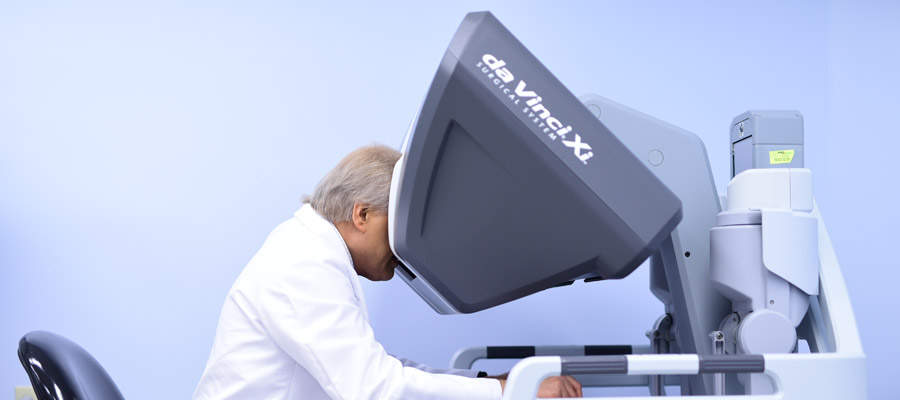
If your doctor recommends surgery to treat your prostate cancer, you may be a candidate for a new, less-invasive surgical procedure called da Vinci Robotic Prostatectomy. This Robotic Prostatectomy procedure incorporates a state-of-the-art surgical system that helps your surgeon see vital anatomical structures more clearly and perform a more precise surgical procedure.

Why Robotic Prostate Surgery?
During open radical prostatectomy (removal of the prostate) for prostate cancer, the prostate is removed using a large midline incision from the umbilicus to the pubic bone. The major drawback of this approach is not only the size of the incision but also the stretching of the abdominal muscles and skin that is necessary to place a retractor to gain the appropriate visualization to perform an open prostatectomy. This large incision can take longer to heal and results in increased post-operative pain and impaired mobility.
Da Vinci Robotic Prostatectomy Procedure
One of the key advantages of da Vinci robotic prostatectomy for prostate cancer is that it can be performed through five small incisions, allowing the prostate to be removed through the umbilicus at the end of the procedure. This approach results in less post-operative pain and scarring, as well as a quicker return to regular activities.
Moreover, the 3D stereoscopic display provides the surgeon with a much clearer view of the nerves and blood vessels surrounding the prostate. This enhanced visibility helps to minimize blood loss and reduces the risk of damaging the nerves responsible for urinary continence and erectile function.
During a da Vinci robotic prostatectomy, the prostate gland and seminal vesicles are separated from the bladder and urethra. The bladder and urethra are then reconnected over a Foley catheter to maintain a closed urinary channel. In cases of advanced disease, the pelvic lymph nodes may be sampled to check for any spread of the cancer beyond the prostate.
Benefits of Robotic Prostatectomy Surgery
For most patients, da Vinci Robotic Prostatectomy Surgery offers numerous potential benefits, including:
- Shorter hospital stay
- Minimal pain
- Less risk of infection
- No blood transfusions
- Less scarring
- Faster recovery
- Quicker return to normal activities
- Excellent Urinary Control
- Excellent Erections
PROSTATECTOMY (SURGERY) for Prostate Cancer Treatment
A surgical approach to treating prostate cancer will remove all or part of the prostate. Typically, men with early-stage disease or cancer that’s confined to the prostate will undergo radical prostatectomy—removal of the entire prostate gland, plus some surrounding tissue. Other surgical procedures may be performed on men with advanced or recurrent disease.
In the most common type of prostatectomy—radical retropubic prostatectomy—an incision is made in the abdomen and the prostate is removed from behind the pubic bone. The surgeon then stitches the urethra directly to the bladder so urine is able to flow. Because it typically takes a few days for the body to get used to this new setup, the surgeon will insert a catheter, or tube, into the bladder. Urine will flow automatically out of the bladder, down the urethra, and into a collection bag without the need for conscious control of the sphincter. The catheter is usually kept in place for about a week to 10 days.
Another type of surgery, known as radical perineal prostatectomy, is performed less frequently these days. In this procedure, the surgeon makes an incision in the perineum (the space between the scrotum and the anus), and the prostate is removed from behind.
Surgical Techniques
Nerve-Sparing
In a nerve-sparing prostatectomy, the surgeon cuts to the very edges of the prostate, taking care to spare the erectile nerves that run alongside the prostate. If the nerves cannot be spared because the cancer extends beyond the prostate, it might be possible to surgically attach, or graft, nerves from other parts of the body to the ends of the cut erectile nerves.
Surgeons won’t know until the time of the procedure if nerve-sparing is possible; it depends on whether the cancer is invading the nerves. However, the nerve-sparing procedure offers the best chance to preserve long-term erectile function.
Laparoscopic
In laparoscopic surgery, very small incisions are made in the abdomen. The surgeon then inserts narrow instruments fitted with cameras and/or surgical tools, allowing him or her to visualize and operate on the internal structures without cutting open the entire abdomen.
With a robotic interface, the surgeon maneuvers a robot’s arms, which in turn control the cameras and instruments. Robotic surgery has become very popular over the past 10 years due to the smaller incision and shorter post-operative recovery period.
To date, open and laparoscopic procedures have never been compared head-to-head in terms of cancer control and side effects. In general, in the hands of a skilled surgeon, these outcomes are optimized with either approach.
The Importance of Surgical Skill
THE SINGLE MOST IMPORTANT FACTOR IN DETERMINING OUTCOMES IS SURGEON EXPERIENCE
Prostatectomy, like many surgical procedures, is very delicate work, and the difference between a good surgeon and a great surgeon can affect outcomes.
When choosing a surgeon, at a minimum, ensure that he or she is someone in whom you have confidence and trust, and someone who has enough experience to not only operate, but also to make an informed clinical judgment and change course if necessary.
Frequently Asked Questions
Q.1 How is Prostate Cancer Diagnosed?
Tests to diagnose prostate cancer include:
· Prostate-Specific Antigen (PSA) Test
· Digital Rectal Exam
· Biopsy
· Ultrasound Examination
Q.2 What are the Symptoms of Prostate Cancer?
Symptoms of prostate cancer are:
· Painful urination
· Frequent urination
· Loss of bladder control
· Blood in urine
· Erectile dysfunction
Q.3 What is the da Vinci robotic prostate cancer surgery?
Da Vinci Robotic Prostatectomy is a minimally invasive option for the treatment of prostate cancer available thanks to incredible breakthroughs in surgical technology. Da Vinci robotic prostatectomy maintains all of the benefits of definitive surgical treatment for prostate cancer while adding the benefits of a shorter hospital stay, decreased blood loss, less pain, and a more rapid return to regular activities.
For these reasons, it is clear why da Vinci robotic prostatectomy has become the preferred method for the removal of the prostate following early diagnosis of prostate cancer.
Q.4 What not to eat with prostate cancer?
Foods to limit or avoid with prostate cancer include red and processed meats, dairy products, sugary foods and drinks, fried foods, and excessive alcohol, as they can increase inflammation and risk. Additionally, some patients on chemotherapy may need to avoid green and black tea extracts due to potential interactions.