


 WhatsApp


A prostate cancer diagnosis brings a flood of information, statistics, and conflicting treatment recommendations. Because prostate cancer can range from low-risk, slow-growing tumors to highly aggressive malignancies, the correct path forward is not always clear. Many men find themselves caught between different medical specialties, with one clinic recommending radiation, another suggesting active surveillance, and another advising surgery.
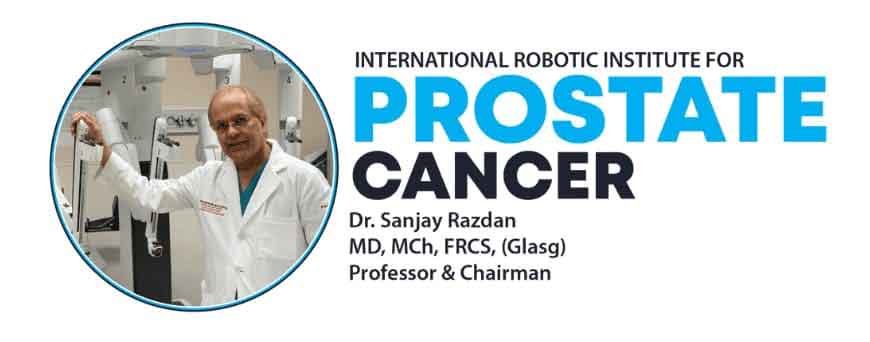
Seeking a second opinion is a standard and vital step in urologic oncology. Consulting a high-volume specialist ensures that your diagnosis is accurate and that you are exposed to advanced, tissue-sparing options that might not be available at local clinics. At the International Robotic Prostatectomy Institute in Miami, Dr. Sanjay Razdan specializes in providing comprehensive second opinions for men navigating a prostate cancer diagnosis. With a world-renowned track record of over 10,000 successful robotic procedures, Dr. Razdan helps patients find clarity, evaluate their options, and select a treatment plan that eliminates the cancer while protecting their long-term quality of life.
What is Prostate Cancer?
Prostate cancer is the development of malignant cells within the prostate, a walnut-sized gland in men that sits just below the bladder and surrounds the urethra. It is one of the most common cancers diagnosed in men. While some prostate tumors remain indolent and localized for years, others are highly volatile and capable of rapidly invading surrounding tissues, regional lymph nodes, and bones.
Because early-stage prostate cancer rarely causes physical symptoms, regular screenings via PSA (Prostate-Specific Antigen) blood tests and Digital Rectal Exams (DRE) are crucial. When identified while still confined to the gland, prostate cancer is highly curable, making an accurate initial assessment the most critical factor in your long-term survival.
Why Understanding Prostate Cancer Stages is Important
If your primary doctor suspects or confirms cancer, understanding the exact stage of the disease is paramount. Staging is the process of mapping out the location and aggressiveness of the tumor.
A thorough second opinion reviews your staging because:
- It Prevents Overtreatment: Low-risk stages can often be managed safely via active surveillance without immediate radiation or surgery.
- It Prevents Undertreatment: Aggressive, high-risk stages require immediate, decisive intervention before the tumor breaks through the prostatic capsule.
- It Identifies the Best Technical Approach: Knowing the exact boundaries of the tumor allows a master surgeon to determine if advanced nerve-sparing techniques are clinically viable.
What Are the 4 Stages of Prostate Cancer?
Stage 1 Prostate Cancer
In Stage 1, the tumor is microscopic, localized entirely within the prostate, and cannot be felt during a physical exam. It is typically discovered through a routine PSA screening. For many men, active surveillance is appropriate here, though younger, healthy men may opt for a definitive cure to remove the lifelong threat.
Stage 2 Prostate Cancer
The cancer remains confined to the prostate but has grown larger or shows a higher Gleason score (increased aggressiveness) than Stage 1. It may now be detectable during a digital rectal exam. Stage 2 represents a vital window of opportunity where advanced robotic surgery can achieve an exceptional cure rate before the cells can migrate.
Stage 3 Prostate Cancer
Stage 3 indicates that the cancer has broken through the outer layer of the prostate and may have invaded adjacent structures, such as the seminal vesicles. Patients may begin to experience subtle urinary changes or pelvic discomfort. Treatment typically involves an aggressive surgical removal or a combination of surgery and targeted radiation.
Stage 4 Prostate Cancer
This is the most advanced stage, where the cancer has metastasized to regional lymph nodes, distant organs, or the skeletal system. While Stage 4 is complex, modern systemic treatments, hormone therapies, and specialized robotic salvage interventions are used to effectively manage the disease, halt progression, and protect the patient’s comfort.
How Prostate Cancer is Diagnosed
An accurate diagnosis requires combining multiple data points. It begins with tracking PSA Levels over time and performing a Digital Rectal Exam. If these indicators are abnormal, a high-volume specialist will utilize an mpMRI (Multiparametric MRI) to scan the prostate for suspicious lesions. This imaging is then used to perform a Targeted MRI-Fusion Biopsy, fusing real-time ultrasound with the MRI map to sample exact cells, significantly reducing the risk of a false-negative result.
Prostate Cancer Treatment Options
When evaluating your treatment options during a second opinion, a specialist will discuss several pathways:
- Active Surveillance: Regularly monitoring low-risk tumors with PSA tests and repeat biopsies.
- Radiation Therapy: Utilizing high-energy beams to destroy localized cancer cells.
- Hormone Therapy: Lowering testosterone levels to slow advanced tumor growth.
- Robotic Prostatectomy: The minimally invasive, surgical removal of the prostate gland using the advanced da Vinci system.
For men who choose surgery, Dr. Sanjay Razdan implements pioneering structural techniques designed to maximize recovery. These include Maximal Urethral Length Preservation (MULP) for an immediate or rapid return to full, pad-free urinary control, and his world-first prospective use of a human amniotic membrane wrap around the spared nerve bundles to accelerate the return of erectile function.
When to Consult a High-Volume Specialist for a Second Opinion
You should consider booking a second opinion with a high-volume specialist if you fall into any of the following categories:
- You Are Unsure About Your Recommended Treatment: If you feel pressured to choose between radiation and surgery, an independent evaluation can help clarify which path matches your specific health profile.
- Your Current Doctor Lacks High Surgical Volume: The success of a robotic prostatectomy is directly tied to the experience of the hands at the console. Consulting a surgeon with thousands of completed cases ensures absolute precision.
- You Want to Prioritize Quality of Life: If you are concerned about maintaining your sexual potency and urinary control, you should consult an expert who utilizes specialized, heat-free, clipless nerve-sparing techniques.
- You Have an Aggressive or Complex Diagnosis: High-risk tumors require a meticulous surgical dissection to ensure negative margins (complete cancer removal) without causing unnecessary tissue damage.
- Your Treatment Has Failed Elsewhere: Dr. Razdan is a recognized global pioneer in successfully performing complex salvage robotic procedures for patients who have experienced radiation, brachytherapy, HIFU, or cryoablation failures.
Importance of Choosing the Best Prostate Cancer Surgeon
The ultimate success of prostate surgery is defined by curing the cancer while fully preserving urinary control and sexual potency. Reaching these goals requires a level of anatomical intuition that can only be built over thousands of procedures. Dr. Sanjay Razdan performs every robotic surgery himself at his busy center, utilizing specialized techniques to protect healthy adjacent structures. Choosing a master surgeon ensures that your procedure is handled with the highest standard of technical excellence available.
Survival Rates by Stage
The long-term outlook for prostate cancer is exceptionally encouraging when managed correctly:
- Heavily Localized (Stages 1 & 2): Near 100% five-year survival rate.
- Locally Advanced (Stage 3): High survival rates when treated promptly and aggressively by a high-volume specialist.
- Metastatic (Stage 4): Advanced targeted therapies, clinical innovations, and robotic interventions continue to successfully extend life and maintain comfort for years.
Conclusion + CTA
A prostate cancer diagnosis does not mean you have to rush into a treatment plan that makes you uncomfortable. Taking the time to obtain an expert second opinion allows you to verify your staging, explore advanced minimally invasive techniques, and take control of your recovery. Early, accurate information is your most powerful tool to ensure a cancer-free future without sacrificing your daily lifestyle.
CTA: Schedule a comprehensive consultation today with Dr. Sanjay Razdan at miamiroboticprostatectomy.com or call 305-251-8650 to get definitive answers and build your personalized prostate cancer recovery plan.