


 WhatsApp
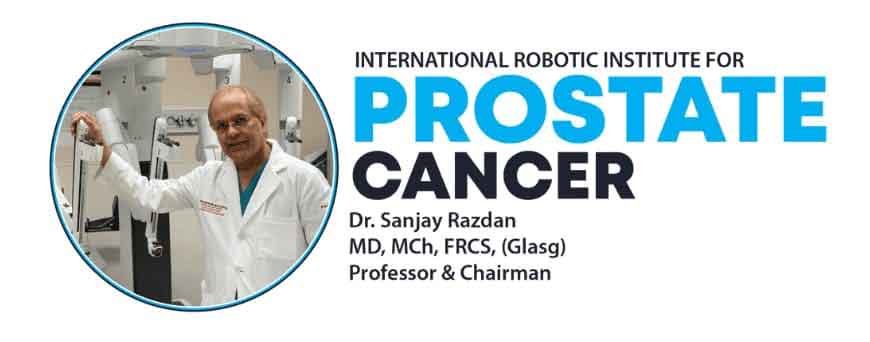

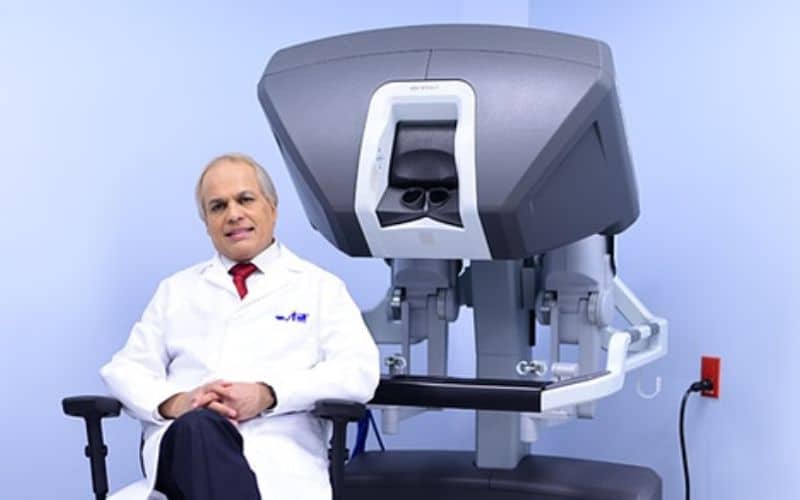
One of the most significant concerns for men facing a prostate cancer diagnosis is how treatment will impact their sexual health and intimate relationships. The fear of permanent erectile dysfunction often looms as large as the diagnosis itself. While traditional prostate surgery once carried a high risk of long-term potency loss, modern advancements in robotic technology have shifted the narrative. Today, the goal is no longer just “cancer-free,” but “quality of life preserved.” At the International Robotic Prostatectomy Institute, Dr. Sanjay Razdan has dedicated his career to refining the surgical techniques that protect a man’s sexual function. For those researching how to maintain a healthy sex life after prostate surgery in Miami, understanding the specific innovations that preserve the delicate neurovascular bundles is essential. Let’s look at the science of nerve-sparing surgery, the groundbreaking use of biological wraps, and what a realistic recovery timeline looks like.
What is Robotic Prostatectomy and Potency?
A robotic prostatectomy is the surgical removal of the prostate gland using the advanced da Vinci robotic system. When it comes to potency, the success of the surgery depends on the preservation of the neurovascular bundles—two thin clusters of nerves and blood vessels that run along the sides of the prostate and control erectile function.
Because these nerves are microscopic and incredibly fragile, they are easily damaged by the heat, pulling, or cutting associated with traditional surgery. In robotic surgery, the surgeon uses high-definition 3D magnification and micro-instruments to carefully peel the prostate away from these nerves. This “nerve-sparing” approach is the foundation of preserving sexual function, ensuring that the “signals” required for an erection can still reach the penis after the cancer is removed.
Can Potency Be Preserved Without Nerve-Sparing Surgery?
While erectile function is highly dependent on the surgeon’s ability to spare the nerves, it is important to understand that potency preservation is a spectrum. In some cases of advanced or high-risk cancer, a “non-nerve-sparing” approach may be necessary to ensure all cancer cells are removed. However, for the majority of patients with localized cancer, nerve-sparing is the priority.
Factors that affect the choice and success of potency preservation include:
- The Stage and Location of Cancer: Tumors located near the edge of the prostate require more careful dissection.
- Pre-Operative Function: Men who have strong erectile function before surgery are significantly more likely to regain it afterward.
- Age and Overall Health: Vascular health (blood flow) plays a critical role in how quickly the body heals.
- Surgeon Expertise: The more experienced the surgeon, the higher the probability of successful nerve preservation.
Top Innovations for Potency Preservation
- Clipless Nerve-Sparing Technique
Dr. Razdan utilizes a specialized “clipless” technique during the nerve-sparing phase of the operation. By avoiding the use of surgical clips or excessive heat (electrocautery) near the neurovascular bundles, he prevents “thermal spread” or mechanical trauma that can cause temporary or permanent nerve “shock.”
- The “Biological Wrap” (Human Amniotic Membrane)
Dr. Sanjay Razdan was the first surgeon in the world to pioneer the use of human amniotic membrane as a biological wrap around the spared nerves. This membrane is rich in growth factors and anti-inflammatory properties. By wrapping the nerves in this biological shield, Dr. Razdan reduces post-operative inflammation and scarring, which are the primary reasons potency is often delayed after surgery.
- Maximal Urethral Length Preservation (MULP)
Developed by Dr. Razdan, the MULP technique focuses on preserving the maximum possible length of the functional urethra. While primarily known for its impact on urinary continence, recent studies have shown that MULP also helps preserve penile length and natural support structures, both of which are critical for a satisfying sexual recovery.
- Penile Rehabilitation Protocols
Recovery doesn’t end in the OR. Dr. Razdan implements a proactive “Penile Rehabilitation” program early in the recovery phase. This may include the use of low-dose daily medications (like Cialis or Viagra), vacuum erection devices, or other therapies designed to maintain blood flow to the tissues while the nerves are healing.
Step-by-Step Timeline of Sexual Recovery
- The First Few Weeks (The “Nerve Shock” Phase)
Immediately following surgery, it is normal to experience a temporary loss of erectile function. Even with perfect nerve-sparing, the nerves undergo “neuropraxia” or temporary stun. During this time, the focus is on healing and following the penile rehab protocol prescribed by the team.
- 3 to 6 Months (Early Recovery)
As the inflammation subsides—especially in patients who received the biological wrap—many men begin to see the return of “nocturnal” or partial erections. The use of the amniotic membrane has been shown in studies to significantly accelerate this phase, with some patients regaining function in a fraction of the time compared to standard methods.
- 6 to 12 Months (Functional Recovery)
By the one-year mark, the majority of nerve-spared patients achieve erections sufficient for sexual activity. While the intensity may vary, the goal is a return to a satisfying intimate life.
- Long-Term (Full Restoration)
Nerves are the slowest-healing tissues in the body. Some men continue to see improvements in the quality and reliability of their erections up to two years after their procedure.
Factors That Affect Potency Recovery
The speed and success of your recovery are influenced by several clinical factors. Surgeon expertise is paramount; an experienced surgeon like Dr. Razdan, with over 10,000 procedures, possesses the anatomical intuition necessary to protect nerves even in complex cases. Your overall vascular health also plays a role—conditions like diabetes or heart disease can slow blood flow and nerve regeneration. Additionally, the use of advanced technology, such as the da Vinci robotic system and specialized biological grafts, provides a measurable advantage in protecting the delicate pelvic environment during surgery.
Benefits of Robotic Nerve-Sparing Surgery
- Higher Rates of Potency: Precision tools allow for more successful nerve preservation than open surgery.
- Preservation of Penile Length: Specialized techniques like MULP prevent the “shortening” often reported after traditional surgery.
- Reduced Scarring: Minimally invasive incisions and biological wraps prevent the internal adhesions that can hinder function.
- Holistic Recovery: A focus on the “Trifecta”—cancer control, continence, and potency—ensures you are cured without losing your identity.
When to Discuss Sexual Health with Your Surgeon
The best time to talk about sex is before your surgery. A proactive approach allows your surgeon to tailor the procedure to your specific goals and baseline function. If you are a candidate for nerve-sparing, discussing innovations like the human amniotic membrane wrap can help set expectations for a faster recovery.
Conclusion + CTA
Prostate cancer surgery should be a bridge to a longer, healthier life—not an end to your intimacy. With the right surgical technique and a proactive rehabilitation plan, most men can look forward to a fulfilling sex life after their procedure. By choosing a pioneer in the field like Dr. Sanjay Razdan, who utilizes world-first innovations like the biological wrap and MULP, you are giving yourself the best possible chance at a full functional recovery.
CTA: Schedule a consultation today to learn more about robotic prostate cancer surgery and your personalized potency preservation plan.