


 WhatsApp

Reaching the seven-month mark following robotic radical prostatectomy represents a major milestone in your postoperative survivorship. By this stage, acute surgical healing has completed: incisions are mature, internal pelvic inflammation has resolved, and normal physical activities have long resumed. However, seven months post-surgery is also a distinct transitional phase where long-term functional recovery—specifically urinary control and erectile potency—continues to evolve.
Patients frequently wonder whether the physical progress achieved by month seven represents their permanent baseline or if further improvement is still ahead. The biological reality of peripheral nerve regeneration and pelvic floor adaptation means that recovery is an ongoing, multi-year process.
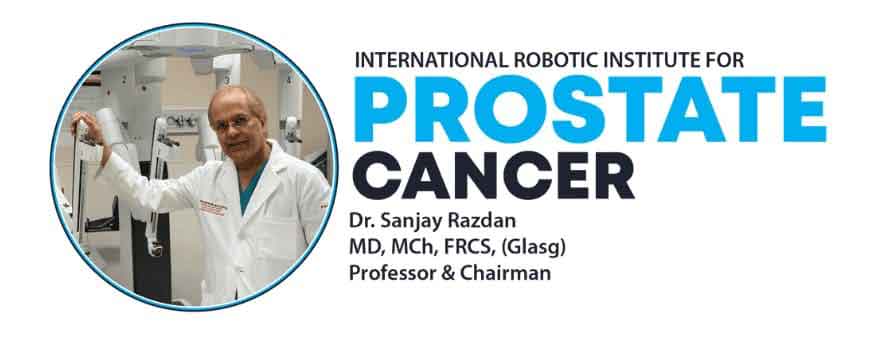
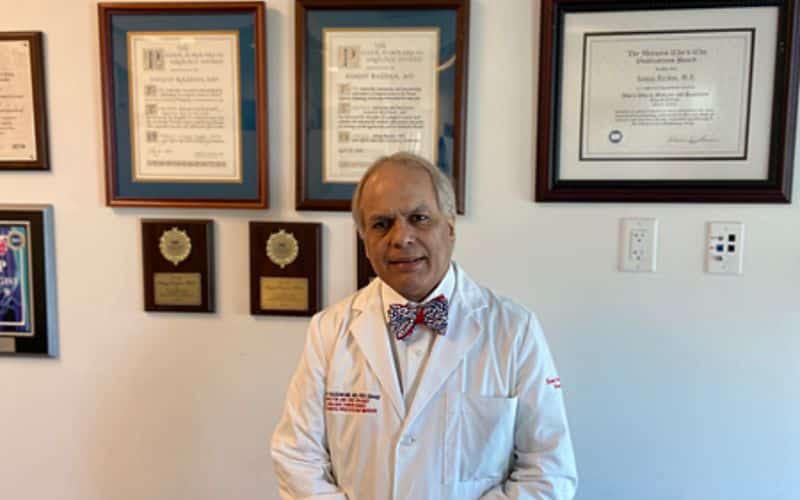
Practicing in Miami, Florida, Dr. Sanjay Razdan is a world-renowned urologic surgeon, Professor and Chairman of the International Robotic Institute for Prostate Cancer, and Director of Robotic Urology. Having completed more than 10,000 robotic urologic procedures, Dr. Razdan is globally recognized for his pioneering work in Maximum Urethral Length Preservation (MULP) and advanced nerve-sparing techniques. Understanding the clinical expectations at seven months provides men with an objective roadmap for their urinary, sexual, and oncologic health.
1. Urinary Continence: The Pad-Free Transition
By seven months, the majority of men have regained substantial urinary control, though individual timelines vary based on age, pre-existing urinary function, and surgical technique.
- Expected Baseline: With advanced anatomical techniques such as Dr. Razdan’s MULP protocol, nearly 99% of patients achieve zero-pad continence within three to six months. By month seven, most men are completely dry or down to a dry “security pad” worn solely for psychological comfort during strenuous exercise.
- Stress Incontinence Triggers: If mild leakage persists at seven months, it typically presents as transient stress incontinence—a few drops escaping during sudden abdominal pressure spikes such as heavy lifting, deep coughing, or toward the end of an exhausting day when pelvic muscles fatigue.
- Pelvic Floor Conditioning: At this stage, consistent pelvic floor physical therapy (Kegel exercises) remains essential. If progress has plateaued, working with a specialized pelvic floor physical therapist using biofeedback can retrain the external striated sphincter to eliminate residual leakage.
2. Sexual Health and Erectile Recovery: Axonal Sprouting
Erectile recovery follows a fundamentally different biological clock than urinary continence. While continence depends largely on muscle tone, erectile function depends on the regeneration of microscopic autonomic nerves.
- The Reality of Neuropraxia: Even during meticulous nerve-sparing surgery where the cavernous nerve bundles are fully preserved, the microscopic traction required to free the prostate causes temporary nerve stunning (neuropraxia). Peripheral nerves heal at an average rate of only one millimeter per day.
- What to Expect at Month 7: Seven months falls in the active axonal regrowth window (months 6 to 12). Men often notice encouraging early signs, such as morning fullness, tumescence during sleep, or partial firmness with sexual stimulation. However, achieving rigid, unassisted erections suitable for penetration often requires 12 to 18 months.
- Active Penile Rehabilitation: Men at seven months should actively continue their penile rehabilitation regimen. Using daily low-dose PDE-5 inhibitors (such as Tadalafil) maintains continuous corporal oxygenation, while medical-grade vacuum erection devices (VED) mechanically stretch tissue and prevent structural retraction while the nerves continue to regenerate.
3. Oncologic Monitoring: Ultrasensitive PSA Testing
From a cancer control perspective, the seven-month mark typically coincides with your second or third routine post-surgical PSA check.
- The Undetectable Benchmark: Following complete surgical extirpation of the prostate gland and seminal vesicles, circulating prostate-specific antigen should drop to undetectable levels (<0.05to<0.1ng/mL).
- Interpreting Results: A persistently undetectable PSA at this interval provides strong reassurance of early biochemical cure. If PSA levels show a confirmed, rising trend (0.2ng/mL), early investigation with advanced kinetics and high-resolution PSMA-PET/CT imaging is warranted to distinguish between isolated local pelvic recurrence and systemic disease.
Recovery Milestones: What Normal Progress Looks Like
| Recovery Domain | Status at 7 Months Post-Prostatectomy | Long-Term Projection (12–18 Months) |
| Urinary Control | Pad-free or single security pad; occasional stress leak | Complete, durable zero-pad continence |
| Erectile Rigidity | Early tumescence / partial response to oral PDE-5i | Progressive functional firmness for penetration |
| Penile Preservation | Length stabilized via MULP & vacuum therapy | Permanent structural and tissue elasticity |
| PSA Monitoring | Undetectable (<0.05–0.1ng/mL) | Semi-annual surveillance testing |
| Physical Activity | Unrestricted heavy lifting, golf, running, swimming | Full, permanent lifestyle integration |
Frequently Asked Questions (FAQ)
If I still leak occasionally at 7 months, is my incontinence permanent?
No. While significant gains occur in the first six months, clinical studies show that bladder control continues to improve through 12 to 18 months. Continued pelvic floor exercises, core strengthening, and avoiding bladder irritants (such as excess caffeine and alcohol) frequently resolve lingering drops.
Why do I experience orgasms without ejaculating?
This is completely normal and expected. Radical prostatectomy removes both the prostate gland and the seminal vesicles, which produce the vast majority of seminal fluid. Men experience a normal, pleasurable climactic sensation known as a “dry orgasm,” accompanied by the same muscle contractions and intensity, but without fluid release.
Should I still be taking erectile medications at 7 months if they don’t produce full rigidity?
Yes. Even if oral medications like Tadalafil or Sildenafil do not yet yield penetrative rigidity, their primary role in penile rehabilitation is to dilate micro-vessels and supply oxygen-rich blood to the smooth muscle of the penis. This biological oxygenation prevents collagen scarring and venous leak while your nerves heal.
Conclusion
Seven months following robotic prostatectomy is a time of steady, reassuring progress. While the acute challenges of surgery are well behind you, the physiological healing of delicate nerve fibers and pelvic floor muscles remains an active process. By adhering to consistent pelvic floor conditioning, maintaining your proactive sexual rehabilitation protocol, and staying diligent with ultrasensitive PSA monitoring, you give yourself the strongest foundation for complete cancer control and long-term functional recovery.
Schedule a Fast-Track Second Opinion with Dr. Sanjay Razdan
Whether evaluating robotic surgical options for localized or high-risk prostate cancer, seeking a comprehensive second opinion on your postoperative recovery, or managing disease recurrence after prior therapy, surgeon volume and technical mastery are paramount. With more than 10,000 robotic urologic procedures performed and patients traveling from around the world, Dr. Sanjay Razdan provides thorough, personalized evaluations and fast-track clinical consultations.
- Expedited Consultations: Same-week in-person visits in Miami/Doral and secure virtual record reviews for out-of-state or international patients.
- Advanced Robotic Expertise: Global leadership in nerve-sparing prostatectomies, Maximum Urethral Length Preservation (MULP), and complex salvage operations.
- Practice Location: International Robotic Prostatectomy Institute, 3650 NW 82nd Ave, Suite 501, Doral, FL 33166
- Direct Consultation Line: (305) 251-8650
- Online Consultation Portal: miamiroboticprostatectomy.com