


 WhatsApp

One of the hardest parts of a prostate cancer diagnosis isn’t always the surgery.
It’s the waiting.
You get the diagnosis.
You’re told surgery is needed.
And then… there’s a gap.
Days. Sometimes weeks.
For most patients, that period feels worse than anything else.
The uncertainty. The overthinking. The “what if this is growing right now?”
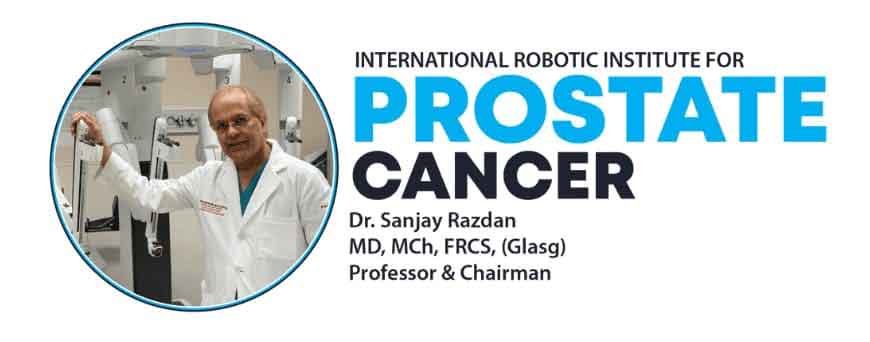
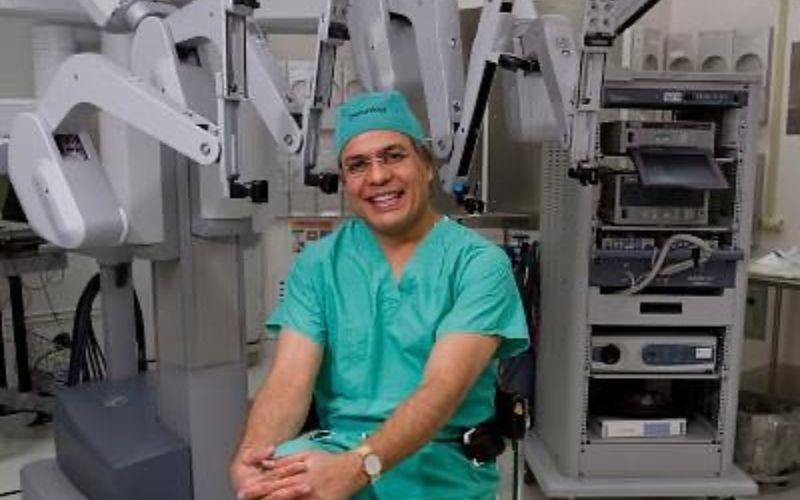
At the Miami Robotic Prostatectomy Center, Dr. Sanjay Razdan sees this all the time — and he addresses it directly, because understanding why there’s a wait often makes it easier to handle.
Why Surgery Isn’t Always Scheduled Immediately
From a patient perspective, it feels like:
“I have cancer — why aren’t we doing surgery right now?”
But prostate cancer doesn’t behave like an emergency in most cases.
In fact, one of the most important things Dr. Razdan explains is:
a short, controlled wait is often safer than rushing into surgery unprepared.
There are several reasons for this.
Reason #1: Proper Planning Leads to Better Outcomes
Prostate surgery is not just about removing the gland.
It’s about:
- preserving nerves
- protecting urinary function
- planning the safest surgical approach
- understanding tumor location and aggressiveness
That requires:
- imaging review
- pathology confirmation
- case planning
Dr. Razdan does not treat surgery as a rushed procedure.
He treats it as something that needs to be executed precisely the first time.
Because you don’t get a second chance at that operation.
Reason #2: High-Volume Surgeons Have Schedules for a Reason
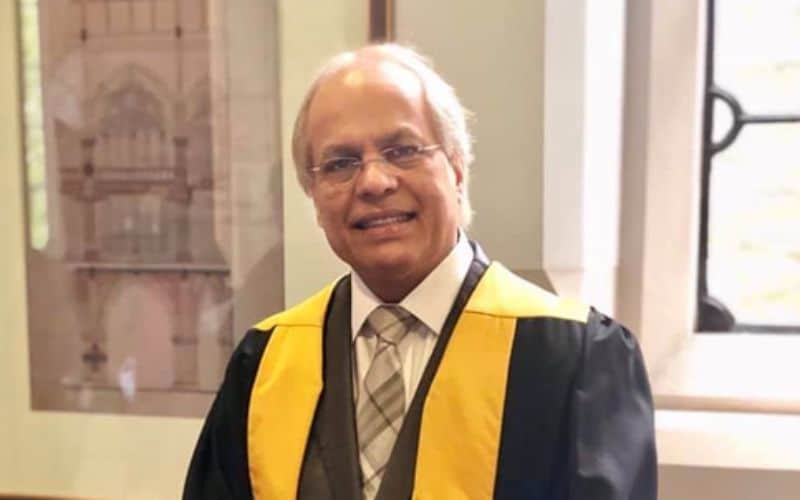
Patients often seek out Dr. Sanjay Razdan specifically because of his experience.
He has performed thousands of robotic prostate surgeries and is known internationally for techniques focused on:
- nerve preservation
- continence outcomes
- erectile function recovery
That level of expertise comes with demand.
And while that can mean a wait, it also means:
you’re choosing experience over convenience.
Many patients are willing to wait because they understand that difference.
Reason #3: Your Body Needs to Be Ready Too
Surgery isn’t just about the surgeon being ready.
The patient has to be prepared.
That may include:
- medical clearance
- adjusting medications
- optimizing overall health
- planning recovery logistics
Going into surgery in the best possible condition can directly affect:
- healing speed
- complication risk
- recovery quality
This preparation phase is part of the process — not a delay.
What Patients Usually Feel During the Wait
This is the part that doesn’t get talked about enough.
Even when doctors explain that waiting is safe, patients still feel:
- anxiety
- fear of cancer progression
- frustration
- loss of control
That’s normal.
Dr. Razdan acknowledges this directly with patients.
Because ignoring it doesn’t help.
The Most Important Reframe
Here’s the mindset shift that tends to help patients the most:
Waiting is not the same as doing nothing.
During this time:
- your case is being planned
- your surgery is being optimized
- your body is being prepared
- the right conditions are being set for the best outcome
This isn’t passive.
It’s strategic.
How to Mentally Handle the Waiting Period
This is where patients need something practical.
Not just reassurance.
Here’s what Dr. Razdan often encourages.
1. Stop Constantly Re-Googling Symptoms
This is one of the biggest anxiety drivers.
Every symptom starts to feel like progression.
Most of the time, it isn’t.
Stick to your doctor’s guidance — not random online searches.
2. Focus on What You Can Control
You can’t control the timeline.
But you can control:
- your physical health
- your sleep
- your nutrition
- your stress levels
These directly impact recovery later.
3. Get Clear on the Plan
Patients feel less anxious when they understand:
- why the timing is what it is
- what happens next
- what surgery will involve
At the Miami Robotic Prostatectomy Center, Dr. Razdan makes sure patients are not left guessing.
4. Prepare for Recovery (Not Just Surgery)
Instead of focusing only on the surgery date, patients are encouraged to think about:
- time off work
- support at home
- post-surgical care
- realistic recovery expectations
This shifts the mindset from fear → preparation.
5. Choose Confidence in Your Surgeon
This is one of the biggest factors in reducing anxiety.
Patients who feel confident in their surgeon’s experience tend to handle the waiting period better.
That’s why many patients choose Dr. Razdan.
Because they know:
the plan is deliberate — not rushed.
Why Rushing Surgery Isn’t Always Better
It’s natural to think:
“Sooner is better.”
But in prostate cancer care, that’s not always true.
Rushed surgery can mean:
- less planning
- less precision
- higher risk of complications
- worse functional outcomes
Dr. Razdan’s approach is built around:
doing it right the first time — not just doing it fast.
The Role of Advanced Surgical Technique
One of the reasons patients are willing to wait for Dr. Razdan is his surgical approach.
He uses advanced robotic techniques focused on:
- MULP (Maximum Urethral Length Preservation)
- nerve-sparing dissection
- use of human amniotic membrane to support healing
- precise anatomical reconstruction
These techniques are specifically designed to:
- reduce incontinence
- improve erectile function recovery
- support faster healing
And they require planning.
What Patients Realize After Surgery
Many patients look back and say the same thing:
“The waiting felt longer than it actually was.”
Because once surgery is done, the focus shifts to recovery.
And what matters most then isn’t how fast surgery happened.
It’s how well it was done.
Frequently Asked Questions
Is it dangerous to wait for prostate surgery?
In most cases, a short, planned wait is safe and part of proper care.
Why can’t surgery be done immediately?
Because planning, preparation, and scheduling with an experienced surgeon all play a role in outcomes.
Does waiting mean the cancer is getting worse?
Not typically. Prostate cancer often progresses slowly, and timing is carefully evaluated.
How can I reduce anxiety during the wait?
Focus on preparation, avoid excessive online research, and stay aligned with your doctor’s plan.
Should I choose a faster surgeon instead?
Speed should not outweigh experience. Outcomes depend heavily on surgical skill and technique.
Contact Dr. Sanjay Razdan
If you’ve been diagnosed with prostate cancer and are navigating the time before surgery, having clarity about the process can make a significant difference.
Dr. Sanjay Razdan
Miami Robotic Prostatectomy Center
Website: https://miamiroboticprostatectomy.com
Phone: 1-305-251-8650
During your consultation, you’ll receive a clear plan, realistic timeline, and an understanding of how your surgery is being prepared — so you can move forward with confidence, not uncertainty.