


 WhatsApp
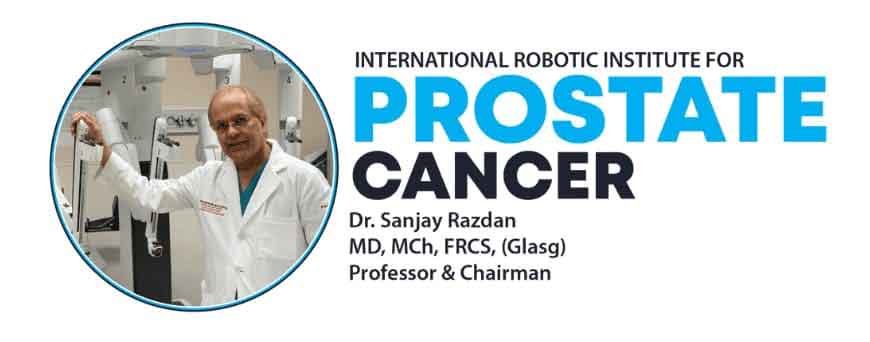

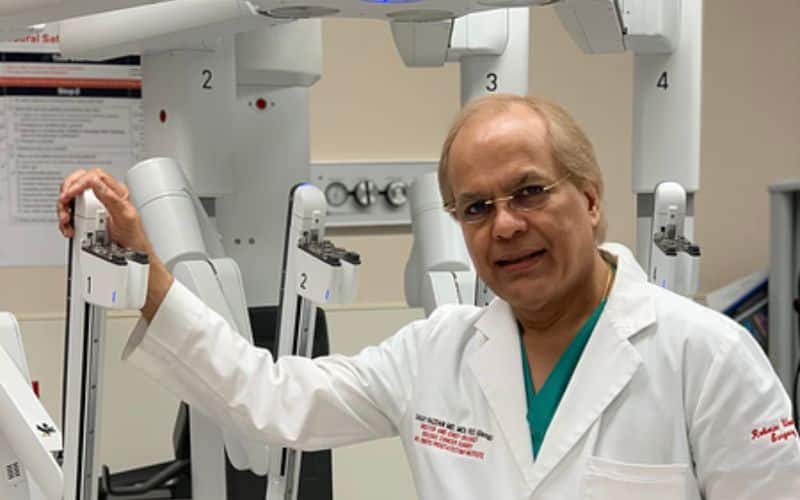
When a man is diagnosed with localized prostate cancer and chooses surgical treatment, he is quickly introduced to the concept of robotic surgery. The phrase “robotic surgery” carries a futuristic tone that often leads to a common misunderstanding: the belief that the machine itself is performing the operation. Patients frequently assume that the technological precision of the da Vinci robotic system guarantees an excellent outcome, regardless of who is sitting at the controls.
The reality of urologic oncology is vastly different. The robotic interface is not an automated pilot; it is a highly sophisticated surgical tool completely dependent on the hands, instincts, and judgment of the operator. While any qualified urologist can be trained to remove a prostate, what separates a routine outcome from an exceptional one is how everything around the prostate is managed. At the International Robotic Prostatectomy Institute, Dr. Sanjay Razdan emphasizes that high surgical volume is the single most critical variable predicting a patient’s post-operative quality of life. Let’s explore why surgeon experience dictates your clinical results, the limitations of the technology itself, and how master-level expertise optimizes functional recovery.
The Common Misconception: The Robot vs. The Surgeon
The most important fact a newly diagnosed patient must understand is that the robotic system does not make clinical decisions. The da Vinci robot cannot feel tissue resistance, it cannot independently identify microscopic cancer boundaries, and it cannot automatically adjust its path when it encounters unusual anatomy.
The robot acts strictly as an extension of the surgeon, translating hand movements into microscopic actions inside the pelvic cavity. The machine provides exceptional 3D high-definition magnification and eliminates natural human hand tremors, but the intelligence driving the procedure remains entirely human. If an inexperienced surgeon makes an incorrect incision or applies excessive tension to a delicate structure, the robot will execute that flawed command with perfect precision. Therefore, the technology enhances a surgeon’s existing skill—it does not replace it.
Why High Surgical Volume Defines Successful Outcomes
In surgical research, “volume” refers to the number of times a surgeon performs a specific procedure annually. Across all surgical disciplines, data consistently demonstrates that high-volume specialists achieve significantly better long-term results and fewer complications. For complex procedures like a radical prostatectomy, a high-volume track record changes your recovery in several fundamental ways:
- Navigating Anatomical Variations: Every man’s pelvic anatomy is unique. Nerve pathways can run at slightly different depths, the prostate can be highly vascular or inflamed, and scar tissue from prior abdominal issues can obscure the surgical field. A master surgeon who has performed over 10,000 procedures has seen virtually every anatomical variation imaginable, allowing them to adapt their technique mid-surgery with absolute confidence.
- Refined Intraoperative Judgment: The most critical moments of a prostatectomy require a constant balance between oncological control (removing all the cancer) and functional preservation (sparing nerves). A highly experienced surgeon possesses the “anatomical intuition” to know exactly when it is safe to peel a nerve away from the prostate and when the cancer biology demands a wider dissection to protect the patient’s life.
- Lower Complication Rates: High-volume specialization breeds consistency. Experienced surgeons are adept at anticipating potential challenges before they cause tissue trauma, resulting in minimal blood loss, shorter times under anesthesia, and a dramatically reduced risk of rectal or bladder injuries.
Optimizing the “Trifecta” of Prostate Cancer Recovery
The ultimate measure of success in prostate cancer surgery is achieving the “Trifecta”: 1) complete cancer eradication, 2) full preservation of sexual potency, and 3) zero urinary incontinence. Accomplishing all three goals simultaneously requires an extraordinary level of precision that can only be forged through thousands of hours at the surgical console.
1. Cancer Control (Clear Surgical Margins)
The baseline priority of any cancer operation is to ensure that no malignant cells are left behind at the edge of the surgical site (known as achieving a negative surgical margin). An experienced urologic oncologist knows how to thoroughly excise aggressive tumors while minimizing damage to healthy adjacent structures, reducing the likelihood of a PSA recurrence.
2. Reclaiming Bladder Control: The MULP Technique
Urinary continence relies heavily on the health of the urinary sphincter and the length of the urethra left behind after the prostate is removed. Inexperienced or low-volume surgeons may inadvertently shorten the urethral stump, leading to months of frustrating post-surgical leaking.
To combat this, Dr. Sanjay Razdan pioneered the Maximal Urethral Length Preservation (MULP) technique. By utilizing a specific retroapical dissection, Dr. Razdan preserves the maximum possible length of the functional urethra. A longer urethra provides a stronger, more reliable “valve” and a more stable connection between the bladder and the urethra, allowing the vast majority of his patients to achieve a rapid, pad-free return to full urinary continence shortly after catheter removal.
3. Potency Preservation: The Amniotic Biological Wrap
The neurovascular bundles responsible for erectile function are microscopic, fragile, and wrap tightly along the outer surface of the prostate gland. They are highly sensitive to heat, pulling, or tearing. Dr. Razdan utilizes a meticulous, “clipless” and heat-free nerve-sparing approach to peel the prostate away from these delicate structures without using electrocautery, preventing permanent nerve shock.
Furthermore, Dr. Razdan made medical history as the first surgeon in the world to use a human amniotic membrane wrap around these spared nerve bundles. This nutrient-rich biological graft acts as an anti-inflammatory shield that reduces post-operative scarring and delivers essential growth factors, dramatically accelerating the return of natural erectile function.
Surgical Experience and the Recovery Timeline
A streamlined, expertly executed robotic prostatectomy directly translates into a shorter, more comfortable recovery timeline for the patient. Because a master surgeon minimizes tissue manipulation and avoids unnecessary cutting, the body experiences significantly less physiological trauma.
In the hands of an expert, the actual procedure typically takes under 90 minutes. This efficiency means less time under general anesthesia, reducing post-operative fatigue and strain on the heart and lungs. Consequently, over 99% of Dr. Razdan’s patients are safely discharged within 24 hours of surgery, and international or out-of-state patients are routinely cleared to travel back home within a week of their procedure.
Conclusion + CTA
When facing a prostate cancer diagnosis, remember that the da Vinci robot is simply a tool—it is the skill, volume, and judgment of the surgeon controlling it that determines your future quality of life. Settling for a low-volume or general urologist can mean compromising on your long-term ability to stay dry and maintain intimacy. By choosing a globally recognized pioneer with a track record of over 10,000 successful procedures, you ensure that your surgery is managed with the highest standard of technical excellence available.
CTA: Schedule a comprehensive consultation today to explore your options and build a personalized prostate cancer treatment plan tailored to your long-term health with Dr. Sanjay Razdan.