


 WhatsApp



A penile implant, known clinically as a penile prosthesis, is a medical device surgically placed within the erectile chambers of the penis to provide complete, dependable rigidity for men suffering from severe, treatment-resistant erectile dysfunction (ED). When conservative treatments—such as oral PDE-5 inhibitors (Viagra, Cialis), vacuum erection devices, and intracavernosal injections—fail to produce an erection sufficient for sexual penetration, a penile implant serves as the definitive, permanent gold standard.
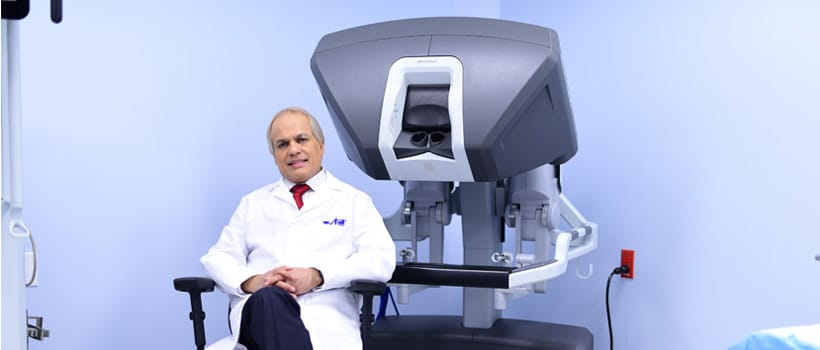
Practicing in Miami, Florida, Dr. Sanjay Razdan is a world-renowned urologic surgeon, Professor and Chairman of the International Robotic Institute for Prostate Cancer, and Director of Robotic Urology. Having completed more than 10,000 robotic and complex urologic procedures, Dr. Razdan is globally recognized for his work in post-prostatectomy rehabilitation, functional pelvic reconstruction, and advanced prosthetic surgery. Understanding how a penile prosthesis is constructed, how it operates mechanically, and how it integrates into the body helps men navigate this restorative option with clarity and confidence.
The Anatomy of an Erection: Natural vs. Mechanical
To appreciate how a penile prosthesis works, it helps to understand natural erectile physiology:
- Natural Erections: Sexual arousal triggers the release of nitric oxide from local autonomic nerves. This chemical messenger relaxes the smooth muscle walls of the paired corpora cavernosa (the two spongy, cylindrical chambers running along the length of the penis). Arterial blood rushes in under pressure, expanding the tissue and compressing the draining veins against the outer fibrous sheath (the tunica albuginea) to trap the blood.
- The Defect in Severe ED: When pelvic surgery, radiation, diabetes, or vascular disease severs the cavernous nerves or damages the endothelial blood vessels, nitric oxide is no longer released or blood leaks out immediately (“venous leak”).
- The Mechanical Solution: A penile prosthesis completely bypasses the damaged nerves and vessels. It replaces the non-functional spongy corporal tissue with internal medical-grade silicone cylinders that expand or become rigid mechanically, restoring full rigidity on demand.
The Two Primary Types of Penile Implants
Penile prostheses are categorized into two primary mechanical designs:
1. The Three-Piece Inflatable Penile Prosthesis (IPP)
The three-piece IPP represents the modern standard in prosthetic urology because it most closely replicates both rigid tumescence and natural flaccidity:
- The Paired Cylinders: Two hollow, flexible silicone cylinders are placed inside the left and right corpora cavernosa.
- The Scrotal Pump: A miniature, soft control pump sits discreetly within the scrotum, positioned beneath the skin between the testicles.
- The Pelvic Reservoir: A slim, low-profile balloon filled with sterile saline is placed safely in the lower pelvic cavity behind the pubic bone.
How It Operates:
- Inflation: When the patient desires an erection, he squeezes the scrotal pump several times through the skin. This draws sterile saline out of the pelvic reservoir and pumps it directly into the two cylinders, expanding their diameter and length to achieve full, rigid erection.
- Maintenance: The erection remains 100% rigid for as long as desired—whether for five minutes or an hour—independent of climax or ejaculation.
- Deflation: When finished, pressing a small release valve located on the upper portion of the scrotal pump opens the fluid channel. Fluid flows naturally out of the cylinders and back into the pelvic reservoir, returning the penis to a soft, natural flaccid state.
2. Malleable (Semi-Rigid) Prosthesis
A simpler alternative consisting of two semi-rigid, bendable rods with a titanium or steel wire core encased in silicone:
- How It Operates: There are no fluid chambers, pumps, or valves. The penis remains permanently semi-rigid. The patient manually bends the penis upward for sexual activity and bends it downward against the body for concealment in everyday clothing.
- Clinical Role: Primarily indicated for men with limited hand dexterity (such as severe arthritis, Parkinson’s disease, or stroke) who cannot manipulate a scrotal pump.
Comparative Overview: Inflatable (3-Piece) vs. Malleable Implants
| Clinical Feature | 3-Piece Inflatable Penile Prosthesis (IPP) | Malleable (Semi-Rigid) Prosthesis |
| Mechanical System | Cylinders, scrotal pump, pelvic reservoir | Two bendable internal rods |
| Erectile Rigidity | Full rigidity and girth on demand | Moderate, consistent rigidity |
| Flaccid State | Natural, soft, completely flaccid | Semi-rigid; bent down for concealment |
| Dexterity Requirement | Requires manual finger squeezing of pump | Simple manual positioning; minimal dexterity |
| Concealment | 100% undetectable under clothing | Requires supportive underwear to conceal |
| Mechanical Failure Risk | Low (< 5% over 10 to 15 years) | Virtually 0% (No moving fluid parts) |
| Patient Satisfaction | Consistently exceeds 90% to 95%+ | Approximately 75% to 80% |
Frequently Asked Questions (FAQ)
Will a penile implant affect my sensation or my ability to climax?
No. The implant cylinders reside entirely inside the deep internal corporal chambers. The sensory nerves and blood vessels that govern tactile pleasure, skin sensitivity, and orgasmic climax run along the outer dorsal surface of the penis and are completely untouched during surgery. Sensation, climactic intensity, and ejaculation (if the prostate remains) are fully preserved.
Is a penile implant noticeable to a partner or detectable in locker rooms?
No. Every component of the three-piece prosthesis is contained entirely inside the body. There are no exterior parts, wires, or visible marks. In the deflated state, the penis rests naturally against the body, making it impossible to detect in communal showers or during casual encounters.
What is the typical surgical and recovery timeline?
The placement of a penile prosthesis is an outpatient procedure lasting approximately 45 to 60 minutes under general or spinal anesthesia. Most patients return to light daily routines within several days. Full internal tissue healing requires approximately four to six weeks, at which point the device is activated in the clinic and clearance is granted to resume full sexual intimacy.
Conclusion
A penile prosthesis is not an experimental or temporary fix; it is a proven, mechanical solution that restores spontaneous sexual health when medical therapies have reached their limits. By replacing damaged internal tissue with an entirely concealed, fluid-driven system, the 3-piece inflatable implant allows men to achieve immediate, dependable rigidity on demand. Consulting with an experienced reconstructive urologic surgeon ensures that individual anatomy, goals, and expectations are matched with technical precision.
Schedule a Fast-Track Second Opinion with Dr. Sanjay Razdan
Whether evaluating robotic alternatives for localized prostate cancer, navigating complex salvage surgery after failed radiation, or seeking definitive restoration for severe erectile dysfunction, surgical experience is paramount. With a lifetime operative record exceeding 10,000 robotic and urologic procedures performed, Dr. Sanjay Razdan provides expedited clinical evaluations and expert second opinions for patients locally in South Florida, across the United States, and internationally.
- Expedited Consultations: Fast-track scheduling for in-person evaluations in Miami/Doral, alongside secure virtual record reviews for traveling patients.
- Comprehensive Reconstructive Expertise: Global leadership in nerve-sparing robotic prostatectomy, penile prosthesis implantation, and complex salvage resections.
- Practice Location: International Robotic Prostatectomy Institute, 3650 NW 82nd Ave, Suite 501, Doral, FL 33166
- Direct Consultation Line: (305) 251-8650
- Online Consultation Portal: miamiroboticprostatectomy.com