


 WhatsApp


A diagnosis of prostate cancer inevitably triggers immediate concerns regarding oncologic survival. Soon after, however, questions surrounding post-treatment quality of life come to the forefront. Among these, the preservation of erectile function, sexual intimacy, and physical masculinity ranks as a primary concern for patients and their partners.
The biological connection between prostate cancer and male sexual health is defined by anatomy. The prostate gland does not generate erections on its own, but it sits within the direct anatomical pathway of the nerves and blood vessels that do. As a result, the disease itself—and the surgical, radiation, or hormonal interventions used to treat it—can fundamentally alter the neural, vascular, and psychological mechanisms of sexual function.
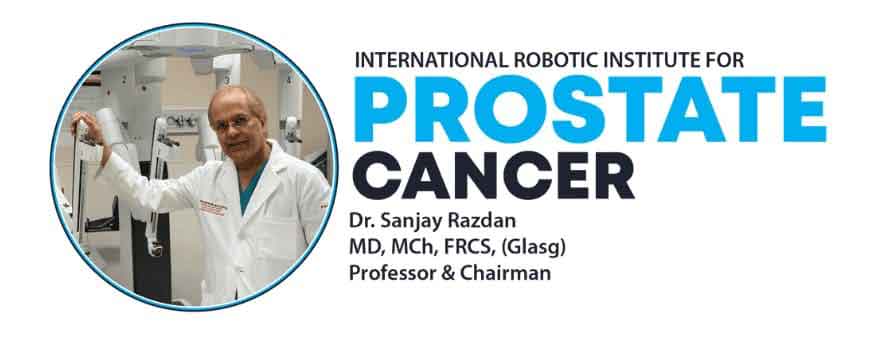
Practicing in Miami, Florida, Dr. Sanjay Razdan is a world-renowned urologic oncologic surgeon, Professor and Chairman of the International Robotic Institute for Prostate Cancer, and Director of Robotic Urology. Having completed more than 10,000 robotic radical prostatectomies and complex reconstructive procedures, Dr. Razdan is globally recognized for pioneering advanced nerve-sparing techniques and postoperative penile rehabilitation protocols. Understanding how prostate cancer impacts male sexual physiology allows men to navigate treatment decisions with clarity, realistic expectations, and an evidence-based roadmap toward functional recovery.
The Anatomical Crossroads: Why the Prostate Controls Sexual Function
Erectile tumescence relies on the coordinate firing of autonomic nerve signals and rapid arterial inflow:
- The Cavernous Neurovascular Bundles: The autonomic parasympathetic and sympathetic nerves that trigger erections originate in the pelvic plexus and travel toward the penis as a microscopic network known as the neurovascular bundles (NVB). These delicate fibers run directly along the posterolateral surface of the prostate capsule, separated by only fractions of a millimeter from the outer edges of the gland.
- The Arterial Supply: Accessory pudendal arteries often travel alongside or directly through these bundles, supplying the corpora cavernosa (the primary erectile chambers).
- The Ejaculatory Mechanism: The prostate gland and the adjacent seminal vesicles produce roughly 90% to 95% of the fluid volume in semen. The vas deferens transport sperm from the testicles to the prostatic urethra via the ejaculatory ducts, which open at the verumontanum inside the prostate.
Because of this tight proximity, localized prostate tumors approaching the capsule, or treatments directed at the whole gland, place these delicate structures at immediate risk of mechanical, thermal, or ischemic disruption.
Mechanisms of Sexual Dysfunction Across Treatment Modalities
Different prostate cancer therapies affect erectile and sexual health through distinct biological mechanisms:
1. Surgical Disruption and Neuropraxia (Robotic Prostatectomy)
During a radical prostatectomy, the prostate and seminal vesicles are excised. Even when meticulous athermal nerve-sparing surgery is performed, microscopic traction and manipulation of the neurovascular bundles induce a temporary state of nerve dysfunction called neuropraxia.
While the stunned nerves slowly regenerate (at roughly 1 millimeter per day), the penis is deprived of natural nocturnal erections. Without regular nighttime oxygenation, corporal smooth muscle cells experience intracellular hypoxia, triggering apoptosis (cell death) and collagen replacement. If unaddressed, this leads to structural tissue retraction and veno-occlusive dysfunction (“venous leak”), where blood escapes as quickly as it enters.
2. Microvascular Radiation Damage (EBRT and Brachytherapy)
Unlike surgery, which causes an immediate post-procedural drop in erectile rigidity, radiation therapy (such as external beam radiation or radioactive seed implants) damages sexual health gradually. Radiation induces progressive obliterative endarteritis—an inflammatory thickening and narrowing of the microscopic capillary beds feeding the cavernous nerves and penile arteries. Erectile function typically deteriorates over 18 to 36 months following radiation, often proving permanent and resistant to oral medications due to fibrotic vascular bed loss.
3. Androgen Deprivation Therapy (ADT / Hormone Therapy)
In advanced, high-risk, or metastatic settings, testosterone suppression is utilized to starve prostate cancer cells. By depleting systemic testosterone, ADT eliminates the biological fuel for male sexual desire (libido), causes severe erectile failure, reduces penile size, and induces profound systemic fatigue and mood alterations.

Comprehensive Impact on Male Sexual Function
| Dimension of Sexual Health | Pathophysiological Impact | Expected Clinical Outcome |
| Erectile Rigidity | Cavernous nerve neuropraxia or radiation endarteritis | Temporary or long-term erectile dysfunction |
| Ejaculation | Complete removal of prostate and seminal vesicles | Permanent “dry orgasm” (Anejaculation) |
| Orgasm Sensation | Pudendal sensory nerves remain intact | Pleasurable, climactic sensation fully preserved |
| Penile Length & Morphology | Absence of nighttime erections; smooth muscle retraction | Transient shortening without active vacuum therapy |
| Sexual Desire (Libido) | Preserved after surgery; eliminated during ADT | Libido remains normal unless on hormone blockers |
Preserving and Restoring Potency: Advanced Clinical Strategies
Protecting male sexual vitality requires proactive surgical technique combined with early postoperative rehabilitation:
- High-Volume Athermal Nerve-Sparing Surgery: Dr. Razdan utilizes robotic cold micro-scissor dissection rather than electrosurgical heat near the neurovascular bundles, preventing thermal burn injuries to the cavernous fibers.
- Proactive Penile Rehabilitation: Initiating daily low-dose phosphodiesterase type 5 (PDE-5) inhibitors (e.g., Tadalafil) shortly after catheter removal ensures continuous baseline oxygen delivery to corporal tissue during the neuropraxia recovery window.
- Mechanical Vacuum Therapy: Utilizing medical-grade vacuum erection devices (VED) draws arterial blood into the penis without constricting bands, stretching the elastic tunica albuginea and counteracting structural retraction.
- Definitive Prosthetic Reconstruction: For men with pre-existing vascular disease or those whose nerves cannot be spared due to extensive extracapsular tumor spread, the placement of a three-piece inflatable penile prosthesis provides complete, dependable rigidity on demand.
Frequently Asked Questions (FAQ)
Will I still be able to experience an orgasm after prostate cancer surgery?
Yes. Orgasm and ejaculation are distinct physiological events. The sensation of climax is transmitted through the pudendal nerve, which travels well outside the surgical field. Men experience the same muscle contractions, intensity, and pleasure of an orgasm, but it will be a “dry orgasm” without fluid emission because the prostate and seminal vesicles have been removed.
How long does it take for erections to return after robotic surgery?
Because peripheral nerves regenerate slowly, erectile recovery is a gradual process. Early signs of nerve recovery (such as morning fullness or partial response to medications) typically appear between 6 and 9 months, with continued functional improvements continuing through 18 to 24 months post-surgery.
Can prostate cancer itself cause erectile dysfunction before treatment?
In its early stages, localized prostate cancer rarely causes erectile dysfunction. However, if an aggressive tumor breaches the prostatic capsule and directly infiltrates the neurovascular bundle, it can cause sudden, unexplained erectile difficulty. Significant performance anxiety surrounding a cancer diagnosis can also induce psychological ED.
Conclusion
Prostate cancer and its treatments present undeniable challenges to male sexual health, but erectile dysfunction is not an inevitable or permanent life sentence. Through precise athermal nerve-sparing robotic surgery, structured early penile rehabilitation, and advanced reconstructive options, men can maintain cancer control while actively protecting and restoring their sexual vitality. Consulting with a high-volume robotic oncologic surgeon provides the anatomical expertise necessary to prioritize both cancer cure and functional recovery.
Schedule a Fast-Track Second Opinion with Dr. Sanjay Razdan
Whether evaluating robotic surgical options for localized or high-risk prostate cancer, seeking a comprehensive second opinion on your nerve-sparing candidacy, or managing disease recurrence after prior radiation, surgeon volume and technical mastery are paramount. With a lifetime operative record exceeding 10,000 robotic urologic procedures, Dr. Sanjay Razdan provides thorough, personalized evaluations and fast-track clinical consultations for patients locally in South Florida, across the United States, and internationally.
- Expedited Consultations: Fast-track scheduling for in-person evaluations in Miami/Doral, alongside secure virtual record reviews for traveling patients.
- Global Leadership in Nerve Preservation: Pioneering expertise in athermal nerve-sparing techniques, Maximum Urethral Length Preservation (MULP), and complex salvage operations.
- Practice Location: International Robotic Prostatectomy Institute, 3650 NW 82nd Ave, Suite 501, Doral, FL 33166
- Direct Consultation Line: (305) 251-8650
- Online Consultation Portal: miamiroboticprostatectomy.com